Lomography announced the Joseph Petzval Métamorphose 35 f/1.8 on October 6, 2026, a manual-focus art lens for Sony E, Canon RF, and Nikon Z with a seven-level bokeh control ring. The petzval metamorphose lens sells swirl on demand, which makes it a creative tool with a real client-work question attached.
Lomography has put a dial on the thing photographers have spent a century chasing with vintage glass and luck. The Joseph Petzval Métamorphose 35 f/1.8, announced October 6 and covered by CineD, is a manual art lens with a seven-level bokeh control ring and a stretching optical warp. It mounts to Sony E, Canon RF, and Nikon Z.
Seven levels. Not a filter. Not a preset. A physical ring that changes how the background falls apart behind your subject.
What the Petzval Metamorphose Lens Actually Changes

Swirl has always been a commitment. You buy an old Petzval or a Helios 44-2, you get the look it gives you, and you shoot around it. The petzval metamorphose lens turns that commitment into a variable. Dial it down for a frame the client’s mother will understand, dial it up for the one that goes on your portfolio.
That’s the practical pitch. One body, one lens, two completely different visual registers within a single sequence.
At 35mm and f/1.8 it also lands somewhere unusual. Most character glass sits at 50mm or longer, where swirl reads as romantic. A 35mm petzval metamorphose lens puts that warp into environmental frames, which is where it gets genuinely strange and, I’d argue, more interesting.
Should You Put a Petzval Metamorphose Lens on a Paid Job?
Honest answer: not as your primary. It’s manual focus, and manual focus at f/1.8 during a reception is a losing bet most nights. I’ve eaten that loss. I once shot a whole cocktail hour on an adapted manual 50 because I liked the rendering, and I came home with maybe eleven frames in actual focus. Beautiful eleven frames. Terrible hit rate.
But as the second body, or the lens you swap in for twenty minutes of portraits while the caterers reset? That’s where a petzval metamorphose lens earns its bag space.
The seven-level ring matters more than it sounds. The reason art lenses get left at home is that clients don’t always want the effect, and you can’t negotiate with fixed glass. A petzval metamorphose lens with adjustable intensity is a lens you can actually bring, because the subtle setting is still usable when the loud one isn’t.
The Differentiation Problem It’s Trying to Solve

We’re in the back half of 2026 and the sharpest, flattest, most clinically perfect images have never been easier to produce. Autofocus is solved. Sensors are solved. Everybody’s wedding gallery looks like everybody else’s wedding gallery, and I say that as someone whose own work went through a very beige phase around 2022.
Character glass is a differentiation play. That’s the entire market logic behind the petzval metamorphose lens, and it’s the same logic driving people toward older bodies and manual workflows. We’ve written about whether the age of mechanical cameras is over, and the answer keeps turning out to be: not when the output looks different enough.
The counterargument is fair. Distinctive rendering can become a crutch. If the swirl is doing the work your composition should be doing, a petzval metamorphose lens is just an expensive excuse.
Where It Fits Against Modern Glass
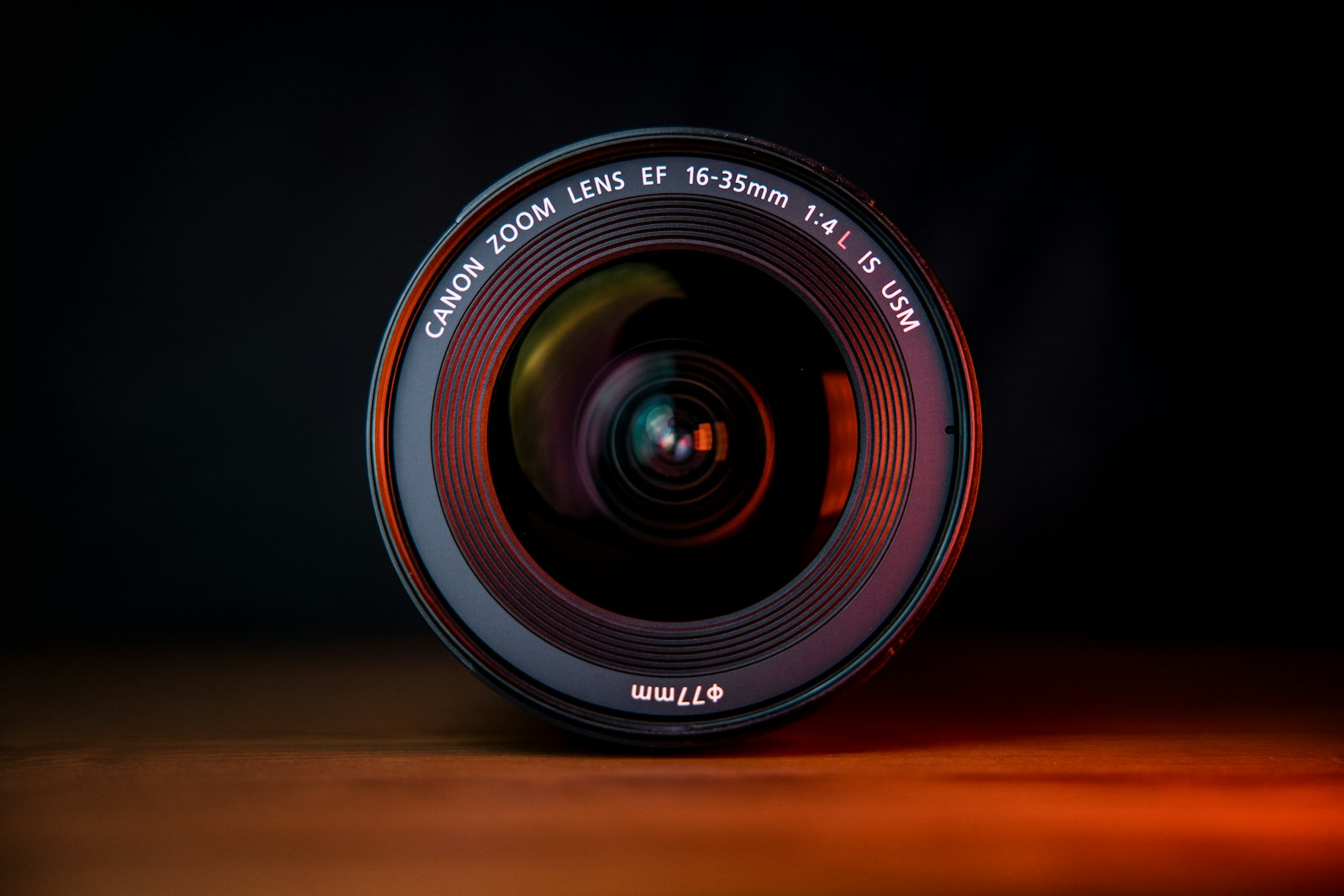
Nobody is buying this instead of a workhorse zoom. A petzval metamorphose lens is an addition, not a replacement, and the budget math should treat it that way.
If you’re still building the foundation, the foundation comes first. A fast, reliable autofocus prime like the Sigma 85mm f/1.2 or a flexible standard zoom such as the Sigma 20-60mm f/2.8-4 will pay for itself across a season. The petzval metamorphose lens pays for itself in one image a client remembers.
Both matter. They just don’t matter in the same order.
The Part Nobody Says Out Loud
Manual art lenses sell on enthusiasm and get resold on reality. That’s not a knock on the petzval metamorphose lens specifically, it’s just what happens with character glass. Used listings for this category float around at wildly inconsistent prices on eBay, GearFocus, wherever, often within a year of launch.
Which is useful information. If the petzval metamorphose lens turns out not to be your thing, you’re not stuck. And if you’re patient, buying one secondhand in 2027 is probably the smarter move anyway.
Here’s my take, and I’ll own it: the seven-level ring on the petzval metamorphose lens is the most genuinely useful idea Lomography has shipped in years, because it solves the one problem that kept art lenses out of working bags. Not sharpness. Negotiability.
Shoot the safe frames. Then turn the ring.
FAQ
What mounts does the Petzval Métamorphose 35 f/1.8 support?
Lomography announced it for Sony E, Canon RF, and Nikon Z mounts. There is no autofocus version announced; it is a fully manual-focus art lens.
Is a petzval metamorphose lens practical for wedding work?
As a secondary lens, yes. Manual focus at f/1.8 makes it risky for fast-moving reception coverage, but it works well for controlled portrait segments where you have time to nail focus.
What does the seven-level bokeh ring do?
It adjusts the intensity of the lens’s swirl and stretching warp across seven settings, letting you move between subtle background rendering and a strong vintage Petzval effect without changing lenses.
Photo: Pixabay