A major camera brand has raised prices in Japan, citing rising manufacturing costs, and the industry is now asking whether camera price increases spread to other markets and other brands. For working photographers, the practical move is to lock in planned purchases sooner, document current quotes, and stop treating sticker prices as stable.
What Happened
Digital Camera World reports that a major camera brand has raised its prices in Japan, pointing to the rising cost of making cameras. The open question the piece raises is the one that matters to everyone holding a camera for money: do other countries follow, and do rival manufacturers follow with camera price increases of their own?
That’s the whole story so far. No global announcement, no confirmed ripple. But price moves in a manufacturer’s home market are rarely isolated events, and anyone who has watched a product cycle knows how this usually goes.
Why Camera Price Increases in One Market Rarely Stay There
Manufacturing costs don’t respect borders. Sensors, processors, glass, and the machines that assemble them are priced in global supply chains, and when the input side moves, it moves for every market a brand ships to. A price adjustment at home is often the first place that pressure becomes visible, because that’s where the brand has the most direct control over retail.
The second mechanism is competitive cover. No manufacturer wants to be first to raise prices in a market where rivals haven’t. Once someone moves, the rest have permission. That’s the pattern worth watching here, and it’s why camera price increases tend to arrive in clusters rather than one at a time.
None of this is a forecast. It’s a reason to pay attention instead of assuming today’s price tag will still be there in six months.
What Camera Price Increases Actually Do to a Working Photographer

Here’s where I’ll be honest about my own bad habit. I plan gear purchases around tax timing and slow season, which means I’ve sat on quotes for months waiting for January. Twice that worked out fine. Once it absolutely did not, and I ended up buying a body at a worse number than the one I’d talked myself out of.
Camera price increases hit freelancers differently than they hit hobbyists. A hobbyist waits. A working photographer has a job on the calendar that requires a second body, a wider lens, or a replacement for the thing that died. Your purchase window isn’t flexible, which means camera price increases land as a straight margin hit on work you’ve already priced.
The other cost is quoting. If you build client proposals that include gear rental or equipment amortization, your numbers are built on assumptions that camera price increases quietly invalidate. Most of us never revisit those spreadsheets until something hurts.
What to Do Before Costs Rise Further

Nothing dramatic. A few practical moves while the situation is still just a question mark:
- Pull your purchase forward if it’s already decided. If the body or lens is in your plan for the next two quarters and the budget exists, waiting is a bet, not a strategy.
- Screenshot current pricing. Not for nostalgia. For your own records, so you can tell later whether camera price increases actually reached your market or just the headlines.
- Revisit your rate card. If equipment costs feed your pricing, they should move when equipment costs move. Most photographers update rates years late.
- Take the used market seriously. New-gear camera price increases tend to pull secondhand values up behind them. Buying used is already the smarter play for a lot of working shooters, and that logic only strengthens here.
- Stop chasing the newest body. Cameras from the last few generations are genuinely built for professional work now, as we covered in our look at how cameras are finally built for real work.
The Part Nobody Wants to Say
Camera price increases are not the thing standing between you and better work. I’ve watched photographers treat a price bump as a reason to delay a business decision for a year, and the delay cost more than the increase would have.
I also spent an embarrassing stretch convinced my autofocus was the problem on a run of portrait sessions. It wasn’t. I was shooting too wide open in bad light and blaming the hardware. There’s a reason cheap cameras teach working photographers so much: constraint sharpens you in ways a price tag never will.
So treat camera price increases as a planning input, not an identity crisis. Buy what the work requires, when the work requires it.
Where This Goes Next
Watch for a second brand to move. That’s the signal that this is an industry condition rather than one company’s math. Until then, camera price increases in Japan are a data point, not a trend, and anyone telling you otherwise is guessing.
What’s reasonable right now: assume your next body costs more than you planned, build that into the quarter, and keep shooting. Camera price increases are survivable. Frozen decision-making usually isn’t.
FAQ
Will camera price increases in Japan affect prices in other countries?
Unconfirmed. Digital Camera World raises it as an open question, noting that rising manufacturing costs drove the Japanese adjustment. Costs are global, so spread is plausible, but no other market increase has been announced.
Should I buy camera gear now or wait?
If the purchase is already planned, funded, and tied to upcoming work, buying now removes risk. If it’s a want rather than a need, waiting costs you nothing but a possible price bump.
Do camera price increases affect used gear too?
Typically yes, indirectly. When new prices rise, demand shifts toward the secondhand market and used values tend to follow upward, though condition and model demand drive far more variation than any single announcement.
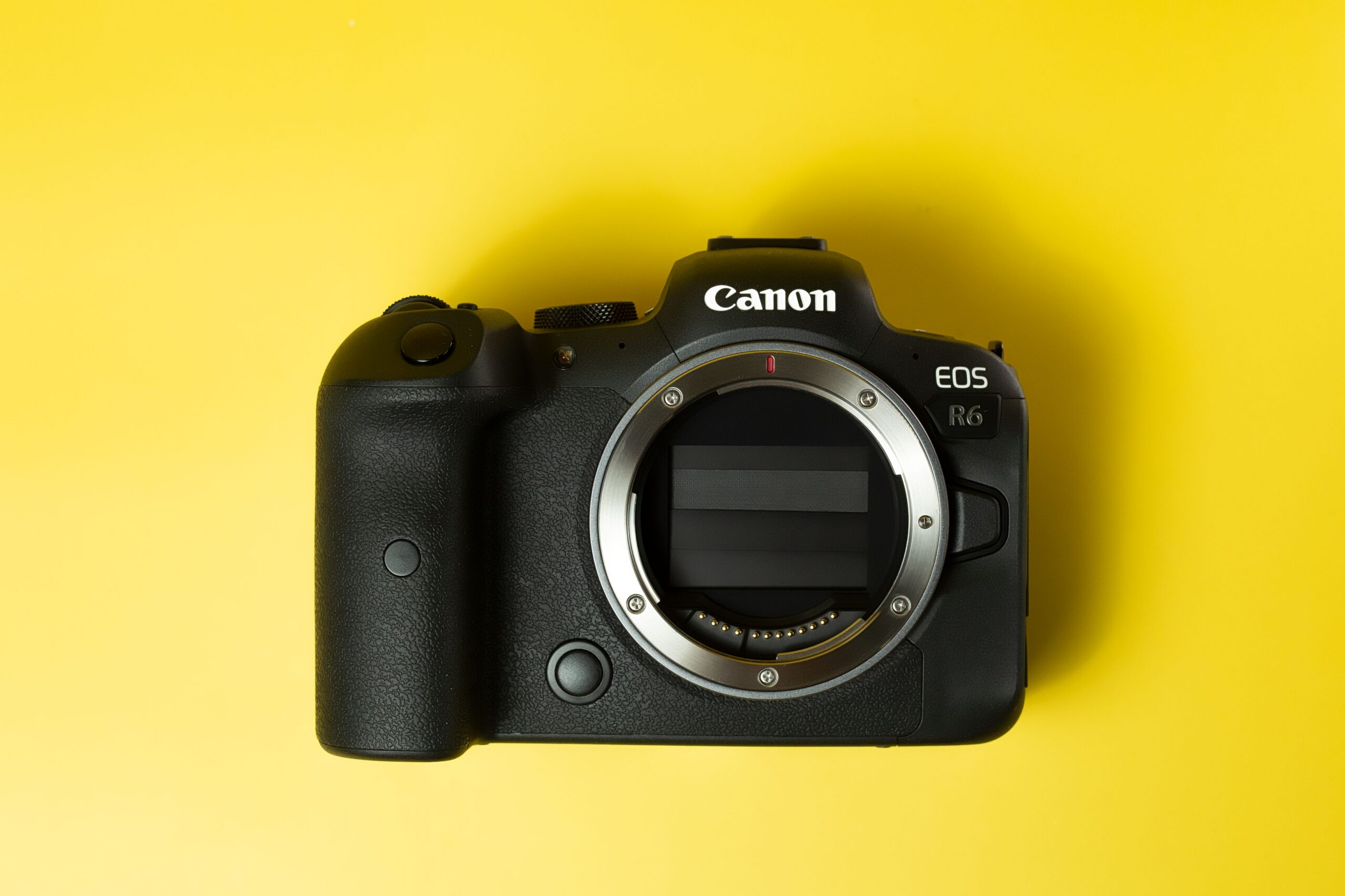
Photo: Ivan Babydov