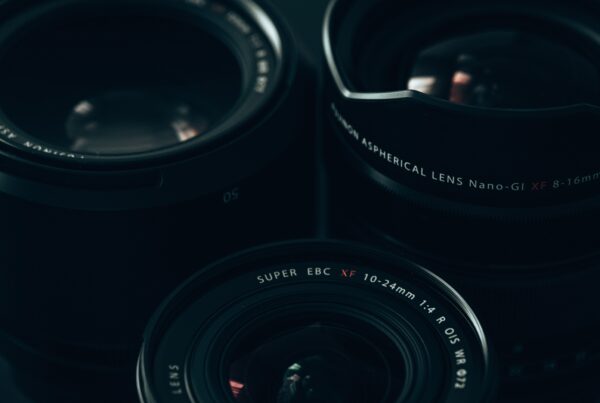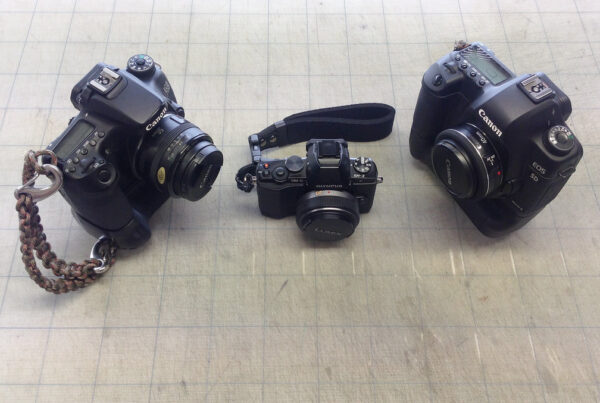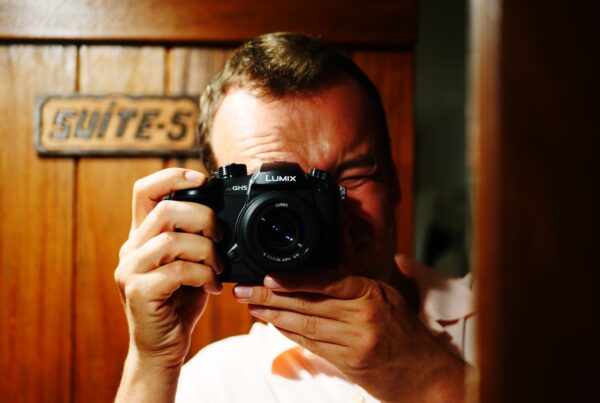
The Sigma 20-60mm F2.8-4 review conversation this week boils down to one question: does a small, slightly slow, wide-to-normal zoom deserve a permanent slot in a paid kit? The answer is yes for documentary and travel work, no for anyone who needs f/2.8 at the long end.
The Thread Connecting This Week’s Reading
Here’s what I noticed reading through the week’s lens coverage: nobody is arguing about sharpness anymore. That war ended. The fight now is over size, weight, and which compromises a working photographer can live with for eight hours straight.
The Sigma 20-60mm F2.8-4 review cycle is the clearest example. A variable-aperture standard zoom would have been dismissed as a kit lens five years ago. Now it’s the most interesting release of the month, because the question shifted from “how good is it” to “what will you actually carry.”

That’s the thread. Every pick below is really about the same argument: optical excellence is table stakes, and the interesting decisions are ergonomic ones.
The Picks: What’s Worth Your Saturday
1. The Sigma 20-60mm F2.8-4 Review That Started It
Dustin Abbott’s Sigma 20-60mm F2.8-4 C review is the anchor piece, and it’s worth your time for the comparison framing alone. He puts the Sigma up against the Thypoch Voyager 24-50mm F2.8, which is a smarter matchup than the obvious one against a 24-70mm f/2.8.
My original read: that comparison exposes the real decision. The Thypoch holds f/2.8 across a narrower range. The Sigma trades the constant aperture for 20mm on the wide end and 60mm on the long end. For documentary and event work, that extra range wins almost every time, because the shot you miss is usually the one you couldn’t frame, not the one you couldn’t expose.
And I’ll admit something. I spent two years shooting a constant f/2.8 standard zoom and used the f/2.8 setting maybe a fifth of the time. The rest was f/4 and up because I wanted two faces sharp. That’s the confession that makes any Sigma 20-60mm F2.8-4 review land differently for me than it does for a spec-sheet reader.
2. Why the 20mm Wide End Matters More Than the Numbers Suggest
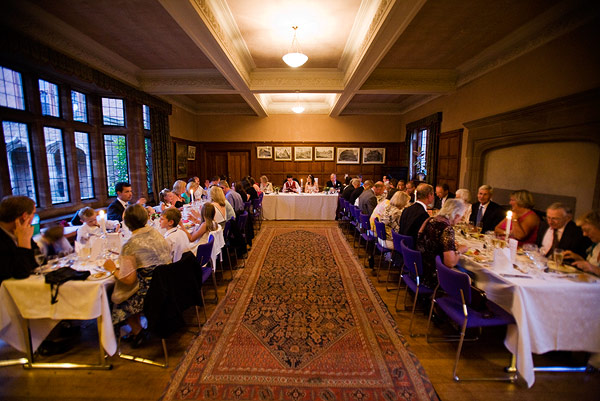
The wide end is the underrated headline of every Sigma 20-60mm F2.8-4 review I read. Twenty millimeters versus twenty-four does not sound like much until you’re backed against a wall in a small reception room and the whole table needs to be in frame.
PFYI’s own take: 20mm on a standard zoom quietly kills the need for a dedicated ultra-wide in a lot of kits. That’s a real weight saving, and weight is what ends careers. My original analysis here is that you should evaluate this lens against the two-lens setup it replaces, not against a single competitor. If it kills your 16-35, the math changes completely.
If you shoot APS-C and want the same logic applied at a different sensor size, our Tamron 12-20mm f/2.8 review works through the same trade.
3. The f/4 Long End Is the Actual Sticking Point
Every honest Sigma 20-60mm F2.8-4 review has to sit with this. At 60mm you’re at f/4. For a portrait shooter chasing subject separation, that’s a real limitation, not a rounding error.
My read: this is the line that decides whether the lens is a permanent kit member or a travel-only pick. If your bread and butter is available-light portraits at the long end, f/4 will frustrate you by the third job. If you shoot environmental context, groups, and moments, you’ll never notice.
Worth reading alongside our Viltrox LAB 135mm f/1.8 review, because the pairing logic is obvious: let the zoom cover context, let a fast prime carry separation.
4. Compact Zooms Versus Fast Primes: The Kit-Building Argument
The third-party prime coverage this week feeds directly into any Sigma 20-60mm F2.8-4 review you read. Our 7Artisans AF 135mm f/1.8 Max take and the Astrhori 85mm f/1.8 II piece both make the same point from the other direction.
Original analysis: fast primes got cheap, which is precisely why a variable-aperture zoom stopped being embarrassing. When an 85mm f/1.8 costs less than a memory card upgrade, you no longer need your zoom to be fast. You need it to be small and flexible. That reframing is the most useful thing to carry out of this week.
5. What a Sigma 20-60mm F2.8-4 Review Can’t Tell You
No review, including this roundup, can tell you how a lens feels on hour seven. I’ve bought gear on glowing coverage and sold it four months later because the zoom ring direction fought my muscle memory. That’s not a spec. That’s a fit problem, and it’s yours alone.
Which is why I read a Sigma 20-60mm F2.8-4 review for the trade-offs, not the verdict. The verdict is somebody else’s kit.
PFYI Take
A constant f/2.8 you leave at home is slower than a variable f/4 you actually brought.
If You Only Read One
Start with Abbott’s Sigma 20-60mm F2.8-4 review. The Thypoch comparison does the work most coverage skips, putting two genuinely different compromise philosophies side by side instead of measuring one lens against an abstract ideal.
Then go pick up whatever standard zoom you already own and hold it for ten minutes. That’s the real Sigma 20-60mm F2.8-4 review test, and any Sigma 20-60mm F2.8-4 review is only useful once you know what your shoulder already tolerates.