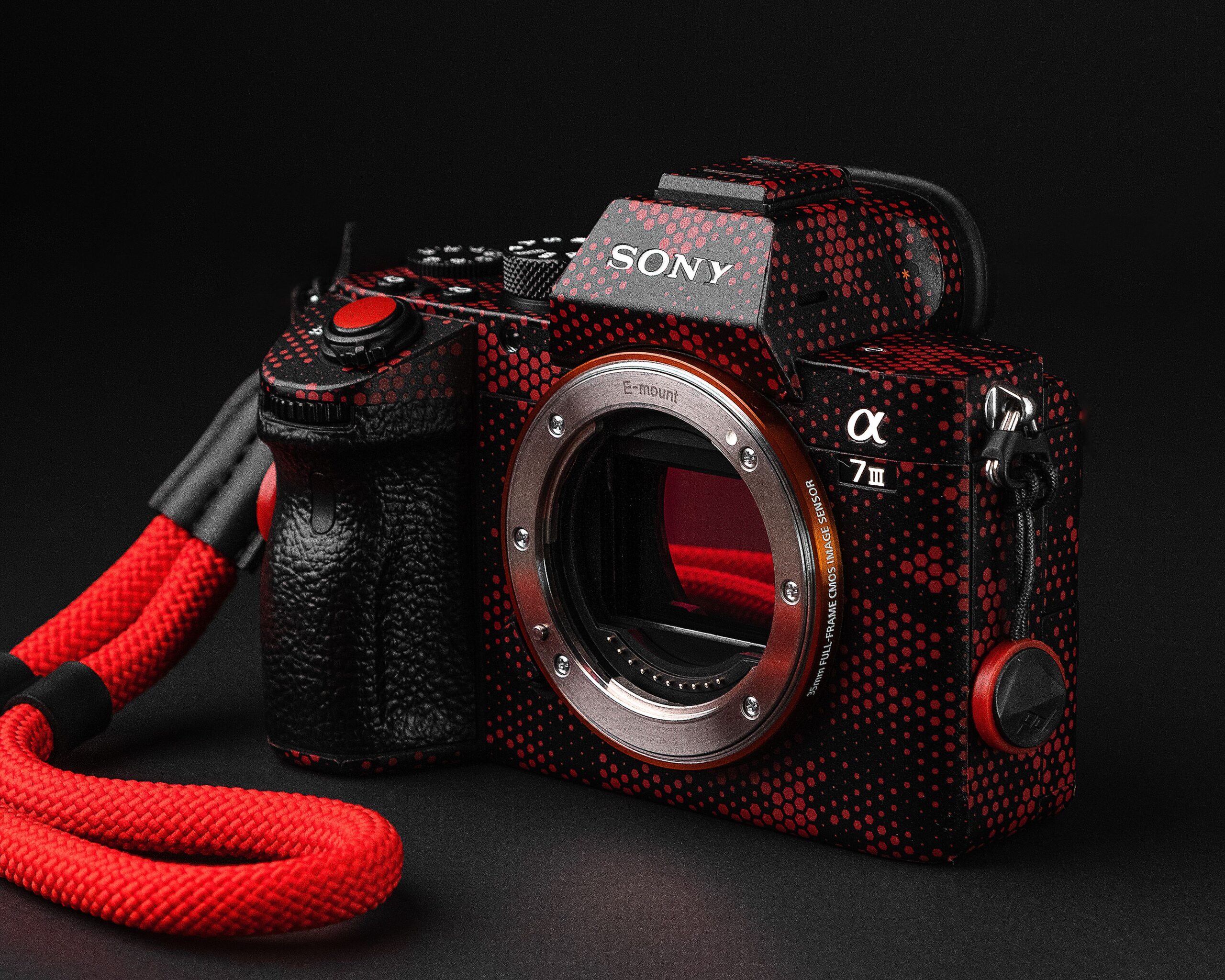
This sony a7 iii review comes down to one verdict: in 2026, the A7 III is one of the smartest first full-frame bodies a student or early-career shooter can buy, provided you buy it used, budget for glass, and accept a dated menu system and a 3.0-inch rear screen.
Second week of September. Wedding season is still grinding along, and I spent Saturday in a church basement that smelled like floor wax and carnations, waiting for a bridal party that was forty minutes behind. The second shooter next to me was maybe twenty-two, fresh out of a photo program, holding a camera she’d clearly bought with money she didn’t really have.
It was an A7 III. Scuffed baseplate, a bit of brassing on the mount, kit zoom hanging off the front like a tired dog.
She apologized for it. Actually apologized, unprompted, like she’d shown up to a job interview in sneakers. And that’s the thing that’s been rattling around my head ever since, because that camera had no business being apologized for. It had business being used.
So let’s do this properly. A sony a7 iii review written in 2026, for the person who is trying to get into full frame without lighting their savings on fire.
Why a Sony A7 III Review Still Matters in 2026

Here’s the market reality driving this sony a7 iii review. As creators move up to newer full-frame mirrorless bodies, used A7 III units are showing up in greater numbers, and a lot of them are being bundled with 24-70mm f/4 lenses as budget starter kits. That’s the trend, observed across the used market this month.
That secondhand flow is exactly what makes the camera interesting again. A body that once sat at a price point requiring genuine financial commitment now circulates as a stepping stone. The people buying it are not the people who bought it new.
Which changes the question completely. Nobody is asking whether the A7 III beats the newest bodies. It doesn’t. The question in this sony a7 iii review is narrower and more useful: does it still do the job for someone learning the job?
The Specs, Flatly Stated
| Spec | Value |
|---|---|
| Sensor | 24.2MP full-frame BSI CMOS |
| Autofocus | 693 phase-detection points, Real-time Eye AF |
| Continuous shooting | 10 fps |
| ISO range | 100-51,200 (expandable) |
| Video | 4K up to 30p, oversampled from 6K in full-frame |
| Card slots | Dual SD (one UHS-II) |
| Battery | NP-FZ100 |
Those numbers looked strong at launch. What’s notable is how few of them have aged into irrelevance. Twenty-four megapixels is still the sweet spot for most commercial and event delivery. Ten frames per second still catches a first kiss. Dual card slots still mean a corrupted card doesn’t end a career.
The NP-FZ100 battery deserves its own sentence in any honest sony a7 iii review. It was the moment Sony stopped embarrassing itself on endurance. Full official specifications live on Sony’s site, and it’s worth reading them before you buy rather than after.
What the Sony A7 III Review Verdict Gets Right About Image Quality

The sensor is the reason this camera refuses to die. Backside-illuminated, full frame, 24 megapixels, and tuned toward clean shadow recovery rather than headline resolution. Files hold up when you push them. That matters more than pixel count when you’re learning to expose.
Skin tones render well with modest correction. Dynamic range is generous enough that a blown highlight is a mistake rather than a catastrophe. High-ISO performance remains usable in the range where real event work happens, which is to say somewhere between “the venue lied about the lighting” and “there is no lighting.”
Here’s a confession. I spent my first two years chasing resolution because I thought bigger files meant better pictures. They meant slower cards, fuller drives, and identical client feedback. Nobody has ever asked me for more megapixels. They ask for the shot.
Any credible sony a7 iii review has to be blunt on this point: the image quality ceiling here is far above the skill floor of the person most likely to buy it. You will outgrow your own technique long before you outgrow this sensor.
Where the Autofocus Holds and Where It Slips
Real-time Eye AF was genuinely transformative when it arrived, and it still locks onto human eyes with a confidence that makes portraiture feel almost unfair. For a student shooting friends, couples, or their first paid headshots, this is the feature that raises their keeper rate overnight.
Subject tracking on erratic movement is where the age shows. Newer bodies hold onto a running child or a bird in flight with a tenacity the A7 III cannot match. It doesn’t fail so much as it loses interest at the worst moment.
For wedding, portrait, product, and general editorial work, the autofocus remains entirely professional. For fast sports and wildlife, it is the wrong tool, and no amount of enthusiasm in a sony a7 iii review changes that.
The Honest Limitations Section Every Sony A7 III Review Owes You
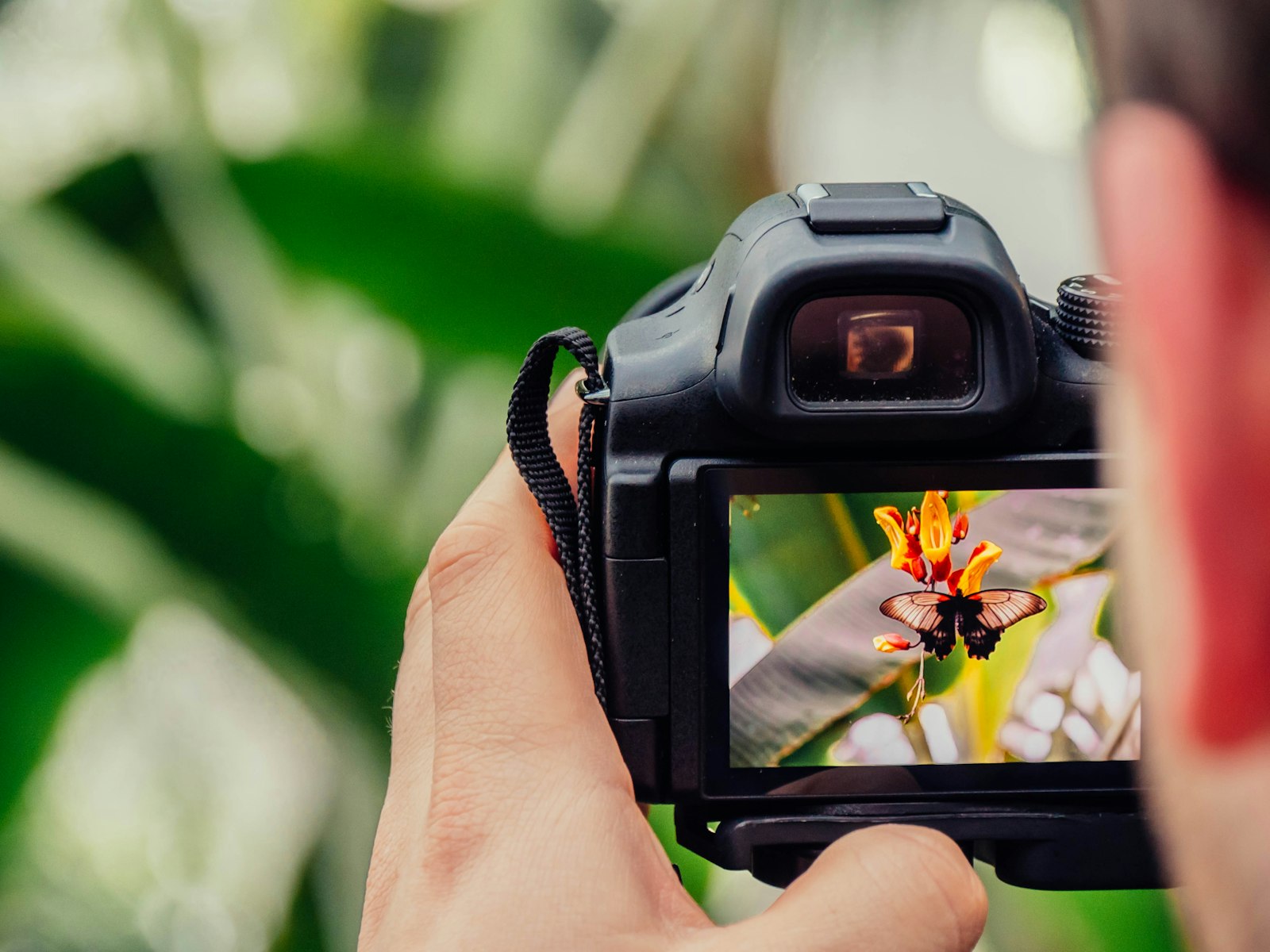
The rear screen is 3.0 inches, tilt-only, and its touch implementation is minimal. After using modern fully articulating displays, going back feels like reaching for a light switch that isn’t there. Vloggers and solo video shooters will find this genuinely limiting.
The menu system is the other well-documented sore spot. It’s dense, inconsistently organized, and buries settings you need under headings you wouldn’t guess. Sony rebuilt it on later bodies for good reason. Budget an afternoon to configure your custom buttons and My Menu, and then mostly stop visiting it.
Video tops out at 4K/30p with an APS-C crop at 30p, 8-bit internally. Fine for social deliverables and behind-the-scenes content. Not a serious choice if video is your primary income.
Weather sealing exists but is modest. Shoot it in drizzle, not in a downpour. And the electronic viewfinder resolution is dated enough that manual focusing critical work takes a beat longer than it should.
Should Students Buy It, or Save for Something Newer?
This is the actual question behind every sony a7 iii review published this year, so let’s answer it without hedging.
If your total budget lands anywhere near a used A7 III plus one good lens, buy the A7 III and spend the difference on glass. A 24-70mm f/4 kit gets you working immediately, but a fast prime will teach you more about light in six months than a body upgrade will teach you in three years.
If your budget stretches comfortably to a current-generation body with room left for lenses, take it. Better screens, better menus, better tracking, longer support runway. That’s a real advantage and pretending otherwise would be dishonest.
The trap is buying a newer body and then shooting it with whatever lens was cheapest. I did that. I owned a body I couldn’t fully use and blamed the camera for pictures the lens was making. Took me embarrassingly long to work out which end of the problem I was holding.
Who This Camera Is Actually For
Photo students who need full frame for coursework and portfolio building. Second shooters who need a reliable body that won’t destroy them financially. Working photographers who need a backup that shares batteries and lenses with a primary Sony body.
Anyone shooting weddings, portraits, engagements, headshots, real estate, small product work, or documentary projects. That’s a very large slice of how photographers actually earn money.
Not for: primary video work, professional sports, serious wildlife, or anyone who will be irritated daily by a small fixed-ish screen. Know yourself on that last one.
Used A7 III prices swing considerably by shutter count and cosmetic condition, and you’ll see the same model listed across eBay, KEH, and GearFocus at meaningfully different prices for meaningfully different cameras. Check actuations before you check the price tag.
How Does This Sony A7 III Review Compare to the Newer Sony Line?
If you already own a later body, the calculus is entirely different and worth reading up on separately. We covered the upgrade question directly in whether the Sony A7 V upgrade is worth it over the A7 IV, and the reasoning there applies in reverse here.
For creators leaning toward video and vlogging rather than stills, the calculation shifts hard. A smaller APS-C body with a proper articulating screen often serves better, which is why our Sony ZV-E10 II review reaches a different conclusion for a different shooter.
There’s also precedent for this kind of aging-gracefully argument in the Sony line. Our sister site made a similar case years ago for the A7S II holding value past its prime, and the pattern repeats: good sensors outlast their marketing cycles.
What to Take From This
- Buy used, not new: the value proposition in this sony a7 iii review depends entirely on secondhand pricing.
- Spend the savings on glass: one fast prime teaches more than one generation of body upgrade.
- Check shutter count first: condition variance on used bodies is enormous.
- Accept the screen and menus: they are the real cost of entry, not the image quality.
- Skip it for video-first work: 4K/30p 8-bit and a tilt-only screen are genuine limits.
- Configure custom buttons on day one: it transforms the handling experience.
The Final Word
That second shooter in the church basement made good pictures that night. Better than mine at her stage, honestly. Nobody at that wedding will ever know what body they came out of, and nobody ever asks.
The closing verdict of this sony a7 iii review is simple. This is a camera that stopped being exciting and became useful, which is the better of the two things to be. It has real flaws, and this sony a7 iii review has named every one of them rather than softening them. But the sensor, the autofocus for human subjects, the dual slots, and the battery all still clear the bar for paid work in 2026.
Buy it used. Put a good lens on it. Stop apologizing for your gear and go make something worth the trouble.
FAQ
Is the Sony A7 III still worth buying in 2026?
Yes, on the used market. The 24.2MP full-frame sensor, Real-time Eye AF, and dual card slots remain professionally capable for portrait, wedding, and editorial work, though video-first shooters should look elsewhere.
What is the biggest weakness in a Sony A7 III review?
The 3.0-inch tilt-only rear screen with limited touch support, paired with the dated menu system. Neither affects image quality, but both slow down daily handling compared to current bodies.
Should a photography student buy the A7 III or a newer body?
If the choice is a used A7 III plus a quality lens versus a newer body with a kit zoom, take the A7 III. Glass improves images more than a newer sensor does.
Can the Sony A7 III handle professional wedding work?
Yes. Ten frames per second, dual SD slots for in-camera backup, reliable Eye AF, and strong high-ISO performance cover the core demands of wedding coverage with room to spare.
Is the A7 III good enough for video?
For social content and behind-the-scenes clips, yes. For video as primary income, no. 4K/30p with a crop, 8-bit internal recording, and a tilt-only screen are meaningful constraints.
Photo: JONATHAN PAGAOA