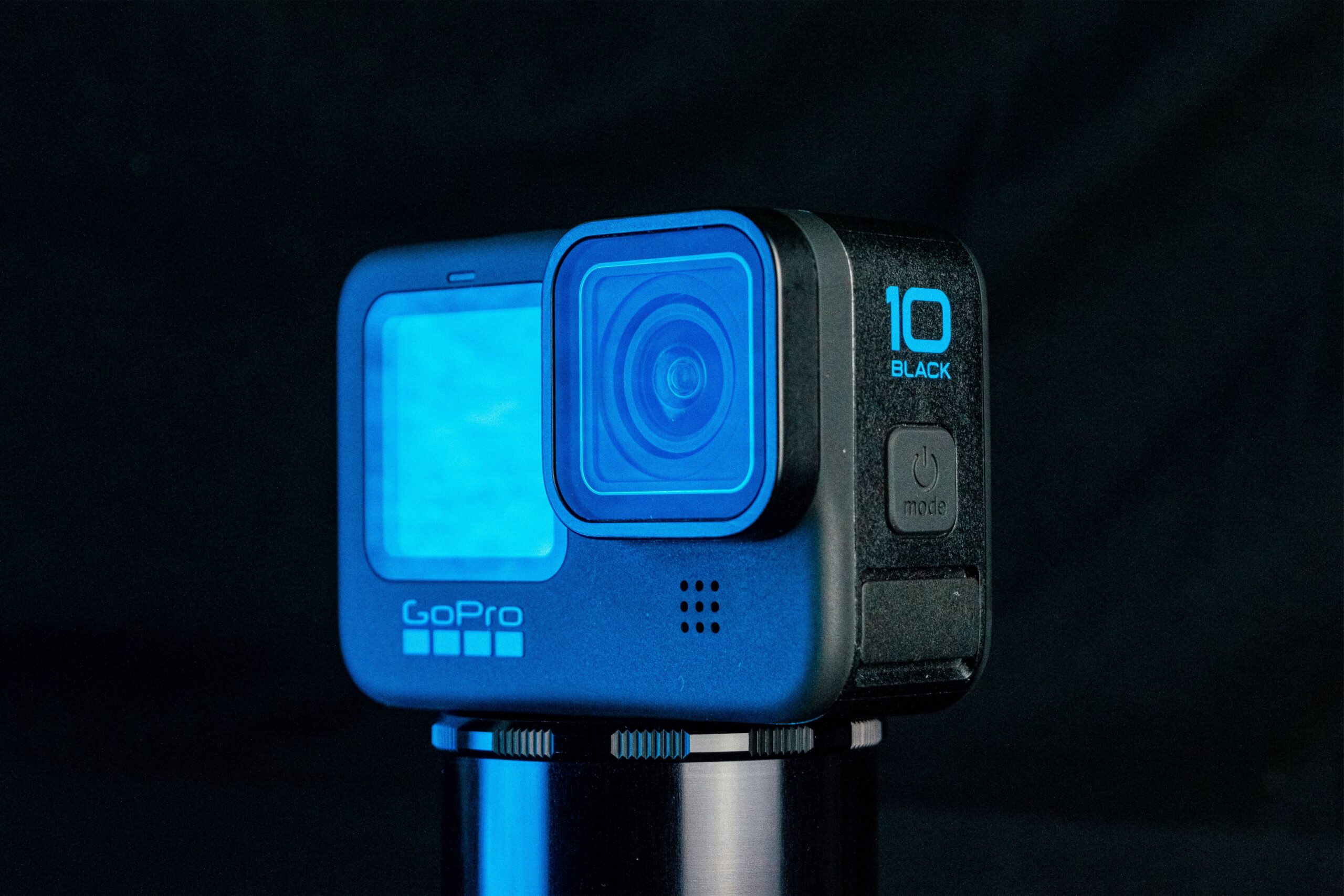
GoPro financial trouble is now a real operational risk, not a headline. CineD reports the company has roughly $27 million in cash left, less than one quarter of operating costs. For photographers shooting behind-the-scenes or hybrid work, that means warranty, firmware, and resale exposure worth planning around this fall.
CineD reported this week that GoPro has about $27 million in cash on hand, less than one quarter of operating costs. That’s the whole story in one line, and it lands right in the middle of wedding season, when half the shooters I know have a small action cam clamped to a light stand for BTS footage.
So let’s talk about what GoPro financial trouble actually changes for you, and what it doesn’t.
What Does GoPro Financial Trouble Mean for Your Existing Cameras?
Nothing, today. The camera in your bag doesn’t stop working because a balance sheet looks thin. It shoots the same footage this Saturday that it shot last Saturday.
The exposure is in everything around the camera. Warranty claims, replacement parts, battery and housing supply, firmware updates, and the cloud subscription tier that some workflows quietly depend on. Those are all company functions, and company functions are what GoPro financial trouble puts a question mark over.
I learned this lesson the expensive way with a different brand years ago. A discontinued body, a dead port, and a repair queue that just… stopped answering. The camera was fine. The ecosystem around it wasn’t.
The Support Risk Nobody Budgets For
Here’s the honest hierarchy of what tends to go first when a hardware company gets squeezed. Not a prediction about GoPro specifically, just how this usually plays out across the industry.
- Firmware development slows first. New features stop, then bug fixes get less frequent.
- Accessory production narrows. Niche mounts and housings go out of stock and don’t come back.
- Repair turnaround stretches. Parts inventory thins before service officially ends.
- Subscription services get restructured. Cloud tiers and included-replacement perks are the easiest line items to change.
If your delivery workflow depends on any of those, GoPro financial trouble is a workflow problem, not just a news item. The fix is boring: pull your cloud archives down local, buy the spare batteries and the one weird mount you’d cry without, and stop treating a subscription replacement policy as insurance.
Resale Value and GoPro Financial Trouble

This is where photographers get hurt most often, because gear budgets assume resale. You buy the new body partly because last year’s body sells for something.
Distress news moves used prices before it moves anything else. Buyers get cautious about orphaned support, sellers rush the exit, and the market gets soft and inconsistent. You’ll see identical-condition units listed at wildly different money across eBay, GearFocus, and the usual forums, because nobody knows what the floor is yet.
I’ve been wrong about this before. I held a body six months too long once, waiting for a “better time,” and ate the whole depreciation curve. If you were planning to sell an action cam this year anyway, GoPro financial trouble is an argument for doing it sooner rather than at leisure.
The flip side is real too. Soft used prices are buying opportunities if you can accept a camera as a disposable tool with no warranty story. My take on buying secondhand as a working photographer applies here, with one added condition: only at a price where the camera dying tomorrow wouldn’t ruin your week.
Should Hybrid Shooters Change Anything Now?

If action cam footage is a garnish on your deliverables, carry on. If it’s contracted, get a second path.
Phones now cover a startling amount of BTS work, and the small cinema bodies many of us already own handle the rest. Redundancy isn’t paranoia when a supplier’s runway is measured in weeks of operating cost. It’s the same discipline as carrying a second card slot.
Worth reading alongside this: our earlier piece on GoPro bankruptcy risk for working photographers, and the broader playbook on surviving supply disruption. GoPro financial trouble is one instance of a pattern we keep meeting.
The Uncomfortable Part
Every photographer eventually confuses a brand with a guarantee. I did. I assumed a company that big couldn’t leave me holding a paperweight, and then it did, quietly, over about eighteen months.
Companies raise money, restructure, get acquired, and survive all the time. $27 million and one quarter of runway is a hard number, but it’s a snapshot, not a verdict. Treat GoPro financial trouble as a prompt to audit your dependencies, not as a reason to panic-sell a camera that’s still earning.
The practical version of GoPro financial trouble is this: buy your spares now, own your archives locally, price used units like there’s no warranty, and never let a single vendor sit unbackstopped in a paid deliverable. That’s good practice regardless of whose balance sheet is in the news this month.
Photo: Nikodem Przymęski