
You’re standing in your apartment at 7 p.m., golden light cutting through the blinds at exactly the angle you used to live for.
And you feel nothing.
The camera is right there. Charged, ready. The light won’t last another four minutes. Three months ago, you would have already been shooting.
Instead, you close the blinds.
That moment — that specific, heavy nothing — is what photography burnout actually feels like. Not dramatic. Not a breakdown. Just a slow withdrawal from the thing you used to love without thinking about it.
It’s more common than anyone admits. And it’s getting worse.
The Job Description Nobody Signed Up For
Being a photographer used to mean taking photos.
Now it means running a media company.
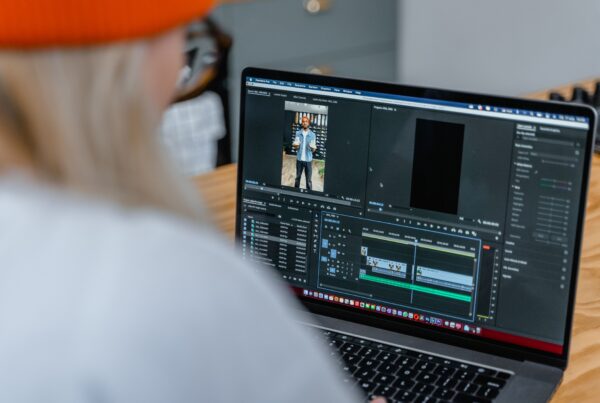
Shoot. Edit. Color grade. Caption. Research hashtags. Schedule. Track analytics. Respond to DMs. Pitch brands. Negotiate rates. Update your website. Manage invoices. Watch tutorials to stay current. And somehow — somehow — stay inspired through all of it.
Even beginners feel this now. A high schooler posting her first portrait isn’t just sharing something. She’s making a decision: Will this perform? Is the lighting right for the algorithm? Should I wait until 6 p.m. for peak engagement?

Photography once rewarded patience and observation. Social media rewards speed and repetition. Trying to exist inside both systems simultaneously is — and this is the only accurate word — exhausting.
A 2023 survey by Fstoppers found that over 60% of working photographers reported experiencing creative burnout in the previous year — with social media pressure and monetization stress cited as the top two causes. That’s not a personal failure. That’s a structural problem.
When Passion Becomes Performance
The most dangerous part of burnout isn’t overwork. It’s when something you love turns into something you perform. Photography used to reward slowness. You waited for light. You failed quietly. You developed taste without a public comment section measuring every step.
Now, every image is a test.
The platform is watching. The metrics are live. And when engagement drops — even by a little — it doesn’t feel like a neutral data point. It feels like rejection. When a post performs well, the relief is temporary. Because now you have to do it again.
That cycle changes how you create. You start asking “will this work?” before you ask “do I like this?” That small reversal — and I say this as someone who’s watched it happen to photographers I respect — shifts your entire creative compass. Slowly, imperceptibly, until one day you realize you haven’t made a photo for yourself in months.
That’s the moment burnout stops being a risk and becomes a reality.
The Comparison Trap at Global Scale
A decade ago, photographers compared themselves locally. Maybe to classmates. A coworker. Someone across town with better equipment.
Now your competition is infinite. And context-free.
You scroll past fashion photographers in Paris, portrait artists in Seoul, sports shooters in LA, wildlife photographers in Kenya, and teenagers with a phone and a window getting images that make you question your entire approach. They all live in the same vertical feed. No information about how long they’ve been shooting, what their budget is, whether they have a team, whether they’ve been at this for ten years or ten weeks.
The human brain isn’t built for that scale of comparison. Research on social comparison theory consistently shows that upward social comparison — measuring yourself against people who appear to be doing better — is one of the most reliable predictors of anxiety, diminished self-worth, and creative paralysis.
Your brain doesn’t register all that context. It just registers: I’m behind.
And the AI-generated images entering the feed now? Flawless. Tireless. Free. That’s a new layer of pressure that didn’t exist two years ago, and it’s accelerating.
The Gear Guilt Cycle
Burnout is sneaky. It rarely announces itself directly. It disguises itself as something practical.
It whispers that the problem is technical.
If you just had a sharper lens. If you upgraded your body. If you bought better lighting.
And sometimes new gear does spark something real — a different focal length forces new creative constraints, a faster lens opens up low-light work you couldn’t attempt before. But if the root issue is mental overload and creative pressure, no number of megapixels will fix it.
You don’t need better gear.
You need breathing room.
The gear acquisition cycle is worth examining honestly. Studies on retail therapy and emotional regulation suggest that purchasing decisions made during periods of stress or identity threat tend to provide only short-term relief — and often increase financial pressure, which compounds the original stress.
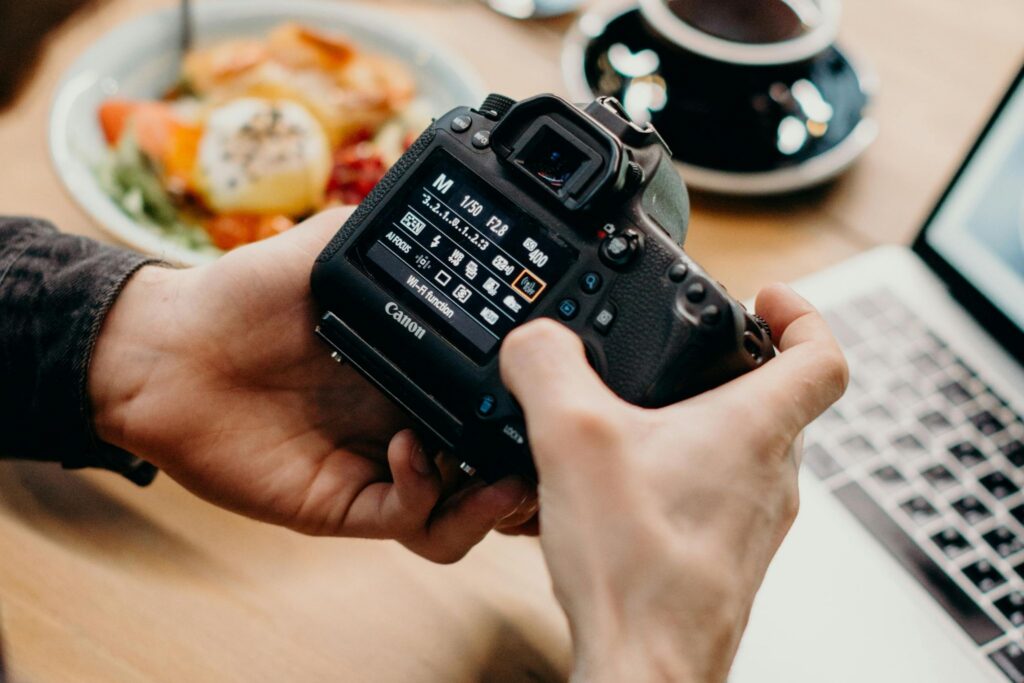
Buying feels like momentum. It’s not.
(That said: when you’re ready to simplify your kit — sell the lens you never reach for, fund something you actually need — there’s real clarity in that decision too. Some photographers find the act of downsizing gear forces them back to basics in a way that reignites the work.)
The Algorithm Is Training Your Eye
Here’s the one that’s hardest to see because it happens gradually.
The algorithm doesn’t just shape what you see. It shapes what you shoot.
If dramatic lighting performs well, you start gravitating toward dramatic lighting. If muted tones trend, you mute your colors. If harsh flash goes viral, suddenly every photographer you follow has a flash.
At first, this feels adaptive. Strategic. Like you’re learning the game.
But slowly, your creative taste begins to merge with performance metrics. You stop discovering and start iterating. You stop experimenting and start optimizing.
PetaPixel covered this phenomenon extensively — photographers consciously or unconsciously reshaping their entire aesthetic to match what engagement data rewards, often without realizing it’s happening until they look back at their archive and barely recognize themselves.
Optimization is useful. But living entirely inside optimization is creatively suffocating.
Curiosity needs open space. It doesn’t thrive in a data loop.
The 24/7 Creative State
There used to be an off switch.
You shot during the day. You edited at night. You rested.
Now the camera lives in your pocket. The feed never sleeps. Inspiration and anxiety arrive in the same notification. You are always thinking about potential content. Always noticing how something might photograph well. Always mentally editing before the shutter clicks.
The brain rarely disengages.
Creative energy requires recovery. Without it, even the work you love becomes heavy. Burnout doesn’t always look like quitting. Sometimes it looks like apathy. Like staring at your camera bag and feeling something close to resentment toward it.
If that resonates — you’re not weak. You’re depleted. Those are different things, and they require different responses.
When Identity Gets Involved
For a lot of photographers, this isn’t a hobby or a side hustle.
It’s who you are.
When someone asks what you do, you say you’re a photographer. That word carries something. And when engagement drops, or growth stalls, or a project doesn’t land — it doesn’t feel like a fluctuating metric. It feels like you, fluctuating.
That’s where burnout gets dangerous.
When identity and output fuse, every slow month feels like an existential one. Burnout intensifies because the stakes aren’t just creative — they’re personal. Every dip hits harder. Recovery takes longer.
The healthiest photographers I’ve observed separate their identity from their output. They are photographers — full stop. The metrics don’t change that. The algorithm doesn’t validate or invalidate it. That separation is harder than it sounds, and it takes real intentional work to maintain.
→ Related: How to Build a Photography Career That Doesn’t Depend on Virality
The Culture of “More”
The creator economy pushes a single message, constantly, from every direction: more.
More posts. More consistency. More reach. More monetization.
But photography has never thrived on constant acceleration. It thrives on attention. On stillness. On noticing how light changes between 5:40 and 5:44 p.m. in a specific room in a specific season.
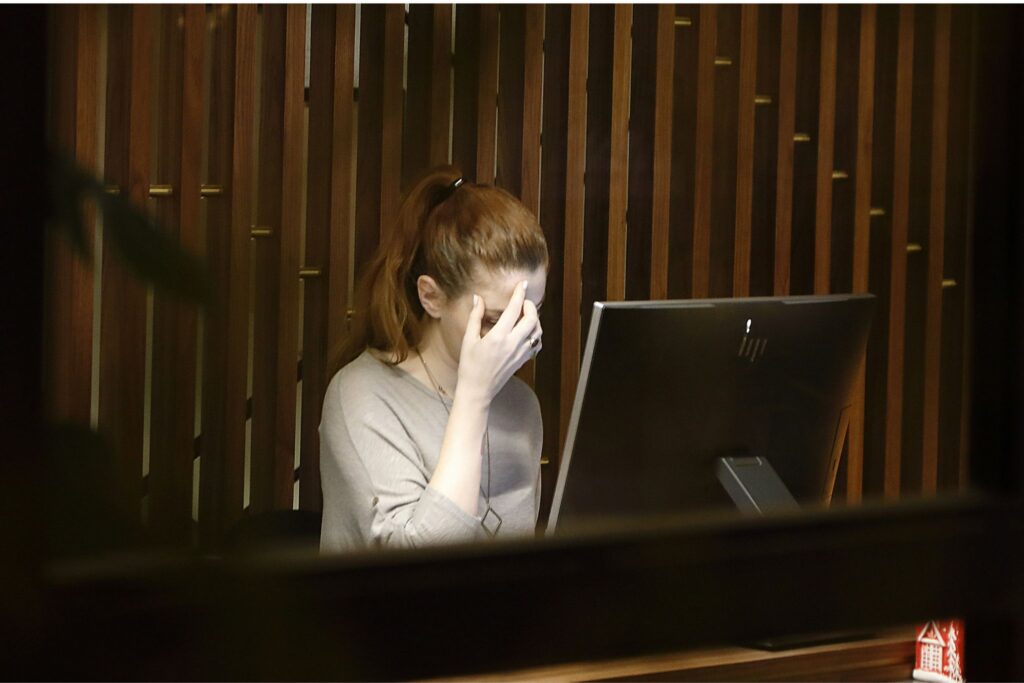
We are trying to practice a slow art inside a fast system.
Of course we are tired.
This isn’t a personal flaw. It’s structural tension — and recognizing it as structural rather than personal is one of the most important reframes you can make.
→ Related: The Business of Photography: Monetizing Your Work Without Selling Your Soul
What Healthy Actually Looks Like
Healthy photographers still work hard. Still post. Still build.
But they draw lines.
They define success in private as well as in public. They shoot projects that will never be monetized. They protect their attention like it’s the scarcest resource they have — because it is. They take breaks without announcing them.
The difference isn’t effort. It’s agency.
When you reclaim control over when and how you engage with the system — rather than letting the system dictate the terms — the pressure eases. Not because the platform changed. Because your relationship to it did.
The Reset That Actually Works
Rebuilding momentum after burnout doesn’t require dramatic reinvention.
It usually starts small.
Shoot something no one will ever see. Print a photo instead of posting it. Unfollow five accounts that consistently make you feel behind. Leave the camera at home for a week and practice observing light without feeling any obligation to document it.
These aren’t productivity hacks.
They’re psychological resets. Small decisions to reclaim ownership of your creative attention.
Burnout is rarely a signal to quit photography. It’s a signal that something in the environment needs adjusting — the pace, the inputs, the expectations you’ve internalized without quite realizing it.
The Quiet Truth
You probably don’t hate photography.
You hate the pace.
You hate the comparison.
You hate the pressure to turn every creative impulse into a content strategy.
Those are different problems. And they have different solutions.
Photography is still what it’s always been at its core: light meeting subject, shaped by perspective. The algorithm didn’t invent that. The platform doesn’t own it.
If you’re exhausted, you’re not failing. You’re human inside a system that rarely pauses to ask whether it’s working for you. Sometimes the most creative decision you can make isn’t upgrading your camera or committing to a new posting schedule. Sometimes it’s closing the blinds, setting the camera down, and giving yourself one evening where none of it counts.
The light will come back.
So will you.
Feeling the itch to simplify your kit as part of a reset? Some photographers find that selling unused gear — clearing the physical and mental clutter — is its own form of creative reboot. GearFocus is a marketplace built by and for creators, with verified sellers and no pressure. Worth knowing it exists when you’re ready.
Frequently Asked Questions
Is photography burnout the same as creative block? Not quite — though they can overlap. Creative block is usually a temporary inability to generate ideas or feel inspired. Burnout is a deeper, more systemic depletion: emotional exhaustion tied to sustained pressure, overwork, or the feeling that your creative work has become transactional. Creative block often resolves with rest or a change of environment. Burnout usually requires a more intentional examination of what’s driving the pressure in the first place. If rest doesn’t help and the heaviness persists across weeks or months, burnout is the more likely culprit.
How do you recover from photography burnout without losing momentum? The counterintuitive answer: momentum is overrated during recovery. Trying to maintain posting frequency or client volume while burned out usually accelerates the problem. The photographers who recover most durably tend to give themselves genuine permission to slow down — not as a permanent retreat, but as a structured reset. That might mean one week of shooting purely for yourself, two weeks off social media, or deliberately taking on less work for a month. The goal isn’t to stay productive through burnout. It’s to come back with the creative energy that made the work worth doing in the first place.
Can new gear actually help with burnout? Sometimes, briefly — and for the right reasons. A new focal length can force you into unfamiliar creative territory, which can spark genuine curiosity. A film camera or a phone-only constraint can strip away the technical complexity and reconnect you with the core act of seeing. But gear acquisition as an emotional response to burnout — buying because you feel stuck — rarely works and often introduces financial stress that compounds the original problem. If new gear is part of your reset, make sure it’s serving a creative purpose, not just filling a void.