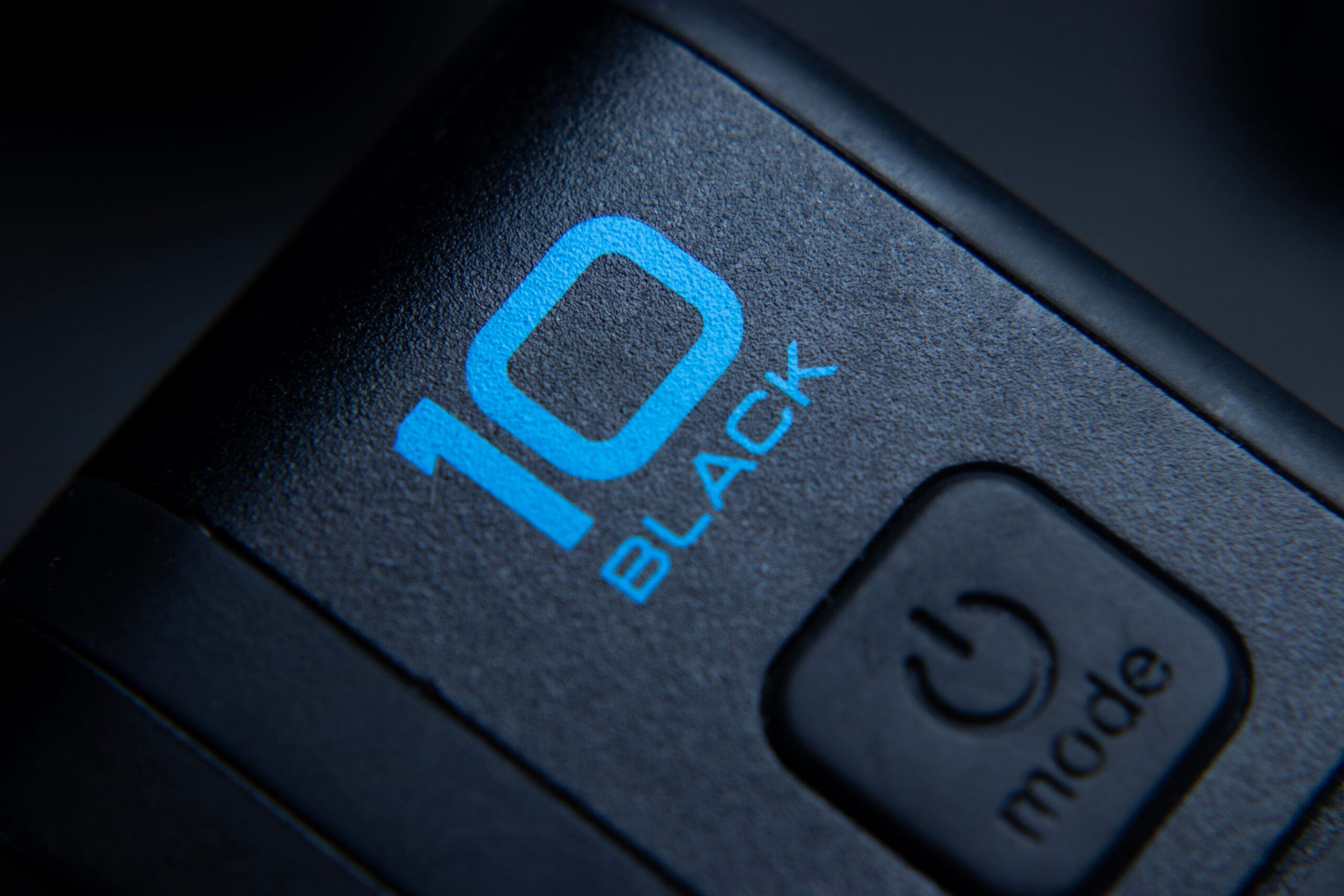
GoPro has formally joined the Micro Four Thirds standard with its Mission 1 Pro ILS, an interchangeable-lens action camera. For MFT stills shooters, that means another mount-compatible body in circulation, more lens demand, and a used-gear market that just got a new participant.
GoPro is now an official member of the Micro Four Thirds standard. DPReview reported the company’s formal adoption alongside its new Mission 1 Pro ILS, an interchangeable-lens system camera built on the mount that Olympus and Panasonic have carried for years.
Read that sentence twice. The company most photographers associate with a sticky mount on a helmet is now sharing a lens standard with the OM System bodies sitting in working photographers’ bags.
Which makes this either a footnote or a genuinely interesting development, depending on how you make your money.
What GoPro Joining Micro Four Thirds Actually Means
Formal adoption of the Micro Four Thirds standard means GoPro is building to the published mount spec rather than inventing its own proprietary system. The Mission 1 Pro ILS is an interchangeable-lens camera, which is a genuine departure for a brand built on fixed ultra-wide optics.
The practical read: the Micro Four Thirds mount just picked up a manufacturer with real volume behind it. That matters for a standard whose two flagship backers have both been through significant restructuring over the last several years.
For context on where MFT sits today, our reality check on switching from full frame to Micro Four Thirds covers the working tradeoffs in more detail than a news post can.
Why Hybrid Shooters Should Care About Micro Four Thirds Lens Compatibility

Here’s the part that actually touches your workflow. If you already own Micro Four Thirds glass, a new mount-compatible body category expands what that glass can do without a second lens investment.
I’ve been on that treadmill. I bought into a system years ago partly because the lens lineup looked future-proof, then watched two of those lenses sit unused for a season because the bodies I actually reached for had a different mount. Glass outlives bodies. That’s the whole argument for standards.
More manufacturers building to the same mount means lens demand holds up, which means resale values hold up, which means the Micro Four Thirds kit in your bag depreciates a little more slowly. None of that is guaranteed. But a new member joining a standard is directionally better news than a member leaving one.
The honest caveat: an action camera and a stills body have different design priorities. Sensor size, processing, ergonomics, weather sealing, and thermal behavior all diverge. Sharing a mount is not the same as sharing a use case.
What About the Used Gear Supply?
When action shooters upgrade to an interchangeable-lens system, the bodies they were using come off their shelves. Some go in a drawer. Some enter the secondhand market.
I don’t know how big that wave is, and neither does anybody else right now. Used action cam prices swing hard on condition and accessory bundles, and a single product launch rarely moves a whole category overnight. Anyone telling you they’ve already priced the effect is guessing.
What I’d watch instead is Micro Four Thirds lens pricing. If more bodies are chasing the same pool of secondhand glass, the bargains on older MFT primes get thinner. You’ll see the same lens listed at wildly different money across eBay, GearFocus, and the usual shops, which is normal for any mount but gets harder to navigate when demand ticks up.
The Context Nobody Should Skip

You cannot read this announcement in isolation. GoPro’s financial position has been a live story for working photographers who depend on the brand’s gear, and we’ve been tracking it: our coverage of GoPro’s cash crisis and the merger news photographers should watch both frame the business risk more fully.
Joining a lens standard is, in a sense, a hedge against that risk. If the mount is open, your glass has somewhere else to go. That’s cold comfort if you’ve bought a body, but it’s more comfort than a proprietary mount offers.
Let’s not pretend that resolves the underlying question. A standard protects your lenses. It doesn’t protect firmware support, warranty service, or the accessory ecosystem you built a shooting workflow around.
How I’d Play It This Fall
We’re deep into the back half of wedding and senior portrait season, which is exactly the wrong time to restructure a kit. Nothing in this announcement requires action from you this month.
If you’re already invested in Micro Four Thirds, this is mild good news for the durability of your lens investment. If you’re not, a new mount member isn’t a reason to buy in. Buy a system for the bodies and glass that exist right now and do the work you’re being paid for.
I’ve made the opposite mistake, chasing a roadmap instead of a camera, and the roadmap changed while my invoices didn’t. Buy what shoots today.
FAQ
Does GoPro joining Micro Four Thirds mean my MFT lenses will work on the Mission 1 Pro ILS?
Formal standard adoption indicates mount compatibility, but confirm specific lens support, autofocus behavior, and firmware requirements with the manufacturer before assuming any lens in your bag performs as expected on a new body.
Should I buy into Micro Four Thirds now because of this news?
No. Buy a system based on the bodies and lenses available today and the work you actually shoot. One new standard member is a positive signal, not a purchase justification on its own.
Will used Micro Four Thirds lens prices change?
Possibly, if more mount-compatible bodies increase demand for the same secondhand glass. Prices already vary widely by condition and seller, so track specific lenses you want rather than the category broadly.
Photo: Reinis Brūzītis