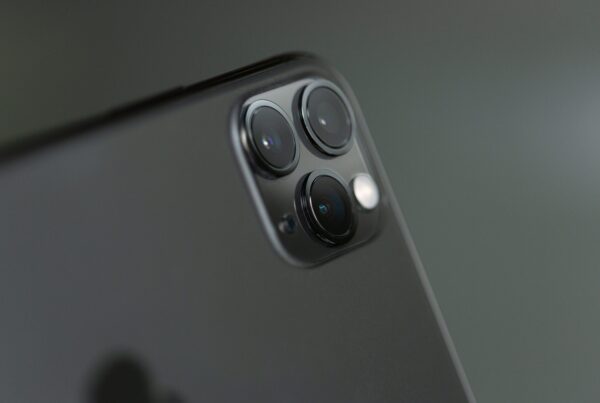
The Canon EOS R8 II launch adds in-body image stabilization and a redesigned body to Canon’s entry-level full-frame line. For current R8 owners, that single change is the whole decision: if you shoot handheld video or low-light stills, it matters. If you shoot flash on a tripod, it does not.
Canon has launched the EOS R8 Mark II, and the headline feature is the one R8 owners have been asking about since 2023: in-body image stabilization. The camera also gets a redesigned body. Canon’s Rudy Winston discussed the release in an industry panel, which tells you how much weight the company is putting behind the update to its cheapest full-frame body.
So now every R8 owner is doing the same arithmetic. Upgrade, or ride it out another year?
What the Canon EOS R8 II Launch Actually Changes

Two things, per the brief: IBIS and a redesigned body. That’s it. Anything else you read about the Canon EOS R8 II launch right now is somebody filling space.
Which is fine, because IBIS is not a small thing. The original R8 was a remarkable value proposition with one loud asterisk attached, and that asterisk is now gone. The Canon EOS R8 II launch closes the single most-cited gap in that camera’s spec sheet.
The redesigned body is harder to evaluate from a press release. R8 owners have complaints about grip depth, button placement, and the single card slot. Whether the Canon EOS R8 II launch addresses any of those specifically is not something I’m going to pretend to know from a panel summary.
Should Working Photographers Upgrade After the Canon EOS R8 II Launch?

Here’s the honest split, and it’s not about your skill level. It’s about your shooting conditions.
- Handheld video shooters: This is the upgrade. IBIS on a body this size changes what you can grab without a gimbal.
- Available-light event and reception shooters: Strong case. Stabilization buys you shutter speed latitude you currently do not have.
- Flash-based portrait and studio shooters: Weak case. Your flash duration already freezes the frame. You’re paying for something your workflow neutralizes.
- Landscape shooters on tripods: Weak case. You turn IBIS off anyway.
I’ve made the wrong version of this call. I once upgraded a body chasing a spec I’d convinced myself was my bottleneck, and three months later I realized the actual problem was that I was shooting a lens I didn’t like at a focal length I didn’t need. The camera was innocent the whole time.
The Upgrade Cascade Nobody Budgets For
A new body is rarely just a new body. Grip redesigns can invalidate L-brackets and cages. New bodies sometimes mean new battery families, new firmware headaches with third-party lenses, new card format. None of that is confirmed for the Canon EOS R8 II launch, but every one of those has bitten photographers on a previous Canon generation.
So before you pre-order anything off the back of the Canon EOS R8 II launch, price the accessories, not just the camera. That’s the number that actually leaves your account.
Timing Matters More Than the Spec Sheet

It’s mid-September. Wedding season is winding down in most markets, senior portraits are wrapping, and holiday family sessions start booking within weeks. That’s the worst possible window to introduce an unfamiliar body into your workflow.
If the Canon EOS R8 II launch has you tempted, the smarter play is to buy after your fall calendar clears and learn the camera in January, when nobody’s paying you to get it right. Anyone who’s fumbled a menu system in front of a client during a paid shoot knows exactly why. I’ve done it. It costs you more than the discount you saved by buying early.
The other timing angle: the original R8 becomes a better used buy because of this. Every generational release pushes the previous model down, and used R8 bodies will start showing up across eBay, GearFocus, and the rest at increasingly negotiable prices. If IBIS genuinely isn’t your bottleneck, the Canon EOS R8 II launch may be most useful to you as a discount on the camera you already wanted.
Where This Sits in Canon’s Lineup
The entry-level full-frame slot is now less compromised than it was, which quietly pressures the tier above it. If you were saving toward a flagship, it’s worth re-reading what you actually need from one. Our Canon EOS R5 II review covers that ground, and some of those reasons hold up better than others once the cheap body stops being the compromised one.
Canon’s own product pages will have the confirmed specs before third-party coverage settles. Read the primary source first.
The Canon EOS R8 II launch is a genuinely good update to a camera that needed exactly this one thing. But “good update” and “you should buy it in September” are different sentences. Match the feature to your actual failure mode, price the accessories, and time the transition for your slow season. The Canon EOS R8 II launch will still be there in February, and so will your money if you wait.
FAQ
Does the Canon EOS R8 II launch mean the original R8 is obsolete?
No. The original R8 sensor and autofocus remain capable. The Canon EOS R8 II launch mainly adds stabilization, so flash and tripod shooters lose almost nothing by staying put.
Will used R8 prices drop after this?
Generational releases typically soften used prices for the outgoing model, though condition and kit contents cause wide variation. Expect more listings and more room to negotiate over the coming months.
Is IBIS worth upgrading for if I only shoot stills?
It depends on your light. If you regularly shoot handheld below 1/60 without flash, yes. If you’re consistently on strobes or a tripod, the benefit largely disappears.