
The Viltrox 35mm f/1.4 PRO is the first third-party 35mm that makes me genuinely consider thinning out my prime kit. It is sharp, fast-focusing, built heavier than its price suggests, and it lands at a moment when every 35mm in your bag is quietly up for review.
There is a thread running through everything worth reading about the Viltrox 35mm f/1.4 PRO this week, and it is not about optics. It is about the quiet, slightly uncomfortable math a working photographer does when a budget lens starts behaving like a flagship. The reviews are nominally about sharpness charts and focus speed. What they are actually about is whether the 35mm you already own has a future.
That is the thesis. Let’s not pretend otherwise: this lens is a resale event disguised as a product launch.
The Picks
Christopher Frost’s review of the Viltrox 35mm f/1.4 PRO. Watch it here. Frost does the thing almost nobody else does with budget glass, which is treat it as a serious tool rather than a novelty. His framing matters more than his numbers: he notes the review may prompt owners of older Viltrox 33mm f/1.4 bodies and similar 35mm primes to sell as they weigh an upgrade.
That sentence is the whole story. The interesting part of the viltrox 35mm f/1.4 pro is not what it does on a test chart. It is what it does to the resale value of every 35mm sitting in a working kit right now. I watched it twice and took a note I did not expect to take, which was “check what my 35 is actually worth.”
The 33mm f/1.4 owners doing the arithmetic. This is the group Frost is implicitly talking to, and they are the most interesting readers in photography right now. A 33mm f/1.4 was already good enough for client work. It focused. It was sharp wide open. Nobody ever looked at a delivered gallery and said the lens let them down.
So the honest question is not “is the viltrox 35mm f/1.4 pro better.” It obviously is, in measurable ways. The question is whether better clears the bar of being worth a transaction, a learning curve, and a week of second-guessing during a busy stretch. For most of them, I think the answer is no, and that is not a criticism of the lens.
The “PRO” badge discourse. There is a whole subgenre of commentary this week about what Viltrox means by PRO, and most of it is sneering. I think the sneering misses something. The badge is not a claim about optics. It is a claim about where the company thinks it belongs in your bag, and companies get to make that claim once before the market decides.
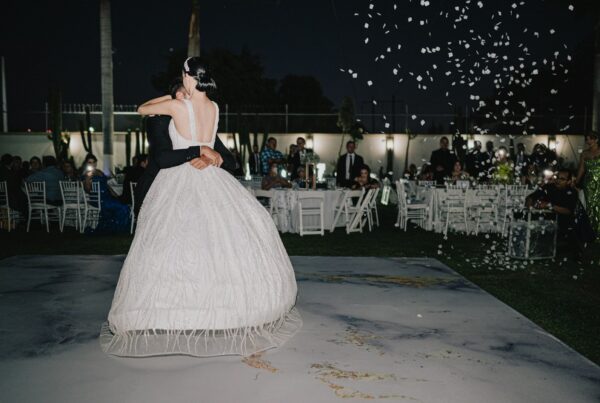
What I would watch instead is build and handling, because that is where third-party glass has historically asked you to compromise. If the viltrox 35mm f/1.4 pro holds focus in a dark reception hall and does not hunt when the DJ kills the lights, it has earned the badge regardless of what the comment section thinks.
The wider Viltrox trajectory. Read this launch against the company’s recent run and the picture sharpens. I wrote about the LAB 135mm f/1.8 earlier, and the AF 16mm f/1.8 before that. Neither was a fluke. The viltrox 35mm f/1.4 pro is the third data point, and three data points is a trend line.
Here is my confession: I spent years assuming budget third-party glass was a thing you bought while saving for real glass. I shot a whole winter of portrait sessions on first-party primes I could not comfortably afford, telling myself it was an investment. Looking back at those files now, I could not tell you which lens shot which frame.

The first-party comparison pieces. Every 35mm launch generates a round of “but is it as good as the native one,” and the viltrox 35mm f/1.4 pro is no exception. The comparisons are useful. The framing is not. Native versus third-party stopped being a quality conversation a while ago and became a service, warranty, and firmware conversation.
If you shoot forty weddings a season, same-day loaner support is worth real money and nobody should pretend otherwise. If you shoot twelve, it is a line item you are paying for and never using. Same lens, same files, completely different answer. That is also the lesson buried in my 45mm versus 50mm comparison, where the spec sheet gap turned out to be smaller than the handling gap.
The resale-timing commentary. The smartest thread this week was not about the lens at all. It was about when to sell the one you are replacing. Used 35mm prices move fast after a launch like this, and they rarely move back up. Listings for older Viltrox primes are scattered across eBay and GearFocus at wildly different asking prices for similar condition, which tells you the market has not settled yet.
My take: if you are selling, sell early, before the reviews finish landing. If you are buying used, wait. Those are opposite advice for opposite people and anyone giving you one piece of advice for both is not paying attention.

Is the Viltrox 35mm f/1.4 PRO Actually Worth Switching For?
For a working photographer, the honest answer depends entirely on what is in the bag already. If your current 35mm hunts in low light or front-focuses on wide apertures, the viltrox 35mm f/1.4 pro is an easy call. If it does neither, you are buying a marginal improvement with a real opportunity cost.
I have made that mistake. I once upgraded a perfectly functional prime mid-season, shot three jobs with glass I had not yet learned, and spent the whole time fighting my own gear instead of reading the room. The lens was better. My pictures were worse.
PFYI Take on the Viltrox 35mm f/1.4 PRO
The viltrox 35mm f/1.4 pro is not an upgrade story. It is a depreciation story wearing an upgrade story’s clothes, and the people writing about sharpness are covering the wrong half of it.
If You Only Read One
Frost’s review. Not because the optical analysis is unique, but because he says the quiet part out loud about owners selling older primes to fund the jump. That one observation reframes the entire conversation around the viltrox 35mm f/1.4 pro from “should I buy” to “what is my current glass worth, and for how much longer.”
Read it before you list anything. Then go shoot a roll with the 35mm you already own and see whether the viltrox 35mm f/1.4 pro is solving a problem you actually have, or one a review convinced you to look for.
Photo: Luis Quintero