

The most traded camera 2026 story out of Japan is a ten-year-old DSLR outmoving newer mirrorless bodies. That isn’t nostalgia. It’s working photographers voting with their wallets against diminishing returns, and this week’s best reading circles the same uncomfortable truth from five directions.
Why the Most Traded Camera 2026 Headline Is Really About Money
Digital Camera World reported this week that a decade-old DSLR ended up as the number one traded body on a major Japanese marketplace, beating newer mirrorless cameras outright. Read the original report here.
Every pick below connects to that same thread: the gap between what the spec sheet promises and what the invoice actually requires. The most traded camera 2026 conversation is a cost-of-working conversation wearing a gear costume. Let’s stop pretending otherwise.
The Picks
1. Digital Camera World — “A 10-year-old DSLR is the No.1 traded camera on this Japanese marketplace in 2026, beating newer mirrorless bodies” (read it)
The anchor piece, and the one worth sitting with. What makes the most traded camera 2026 result interesting isn’t that an old body still functions. Of course it functions. Shutters outlast careers. It’s that enough shooters chose it over current mirrorless to move the needle on a national marketplace.
Here’s my read: trade volume is a proxy for a body being cheap enough to buy without a spreadsheet and cheap enough to lose without a funeral. That’s a category, not a nostalgia trip. And the working photographer’s real ranking has always been price-to-consequence, not price-to-megapixel. The most traded camera 2026 crown went to the body you can put in a bag at a 2am load-out and not think about.
2. GearFocus — “The Top Used Cameras of 2025 (So Far): What Creators Are Actually Buying” (read it)
Useful as a sanity check on the Japan number, because it shows the same behavior in a different market. Different platform, different region, similar instinct: buyers cluster around bodies that are two or three generations back and priced accordingly.
My original take, and it’s not a flattering one: the used market is where the industry’s marketing gets audited. Launch coverage tells you what manufacturers want you to want. Trade data tells you what you were actually willing to pay for. Those are rarely the same list, and the most traded camera 2026 gap between them is wide enough to drive a van through.
What the Most Traded Camera 2026 Picks Say About Diminishing Returns
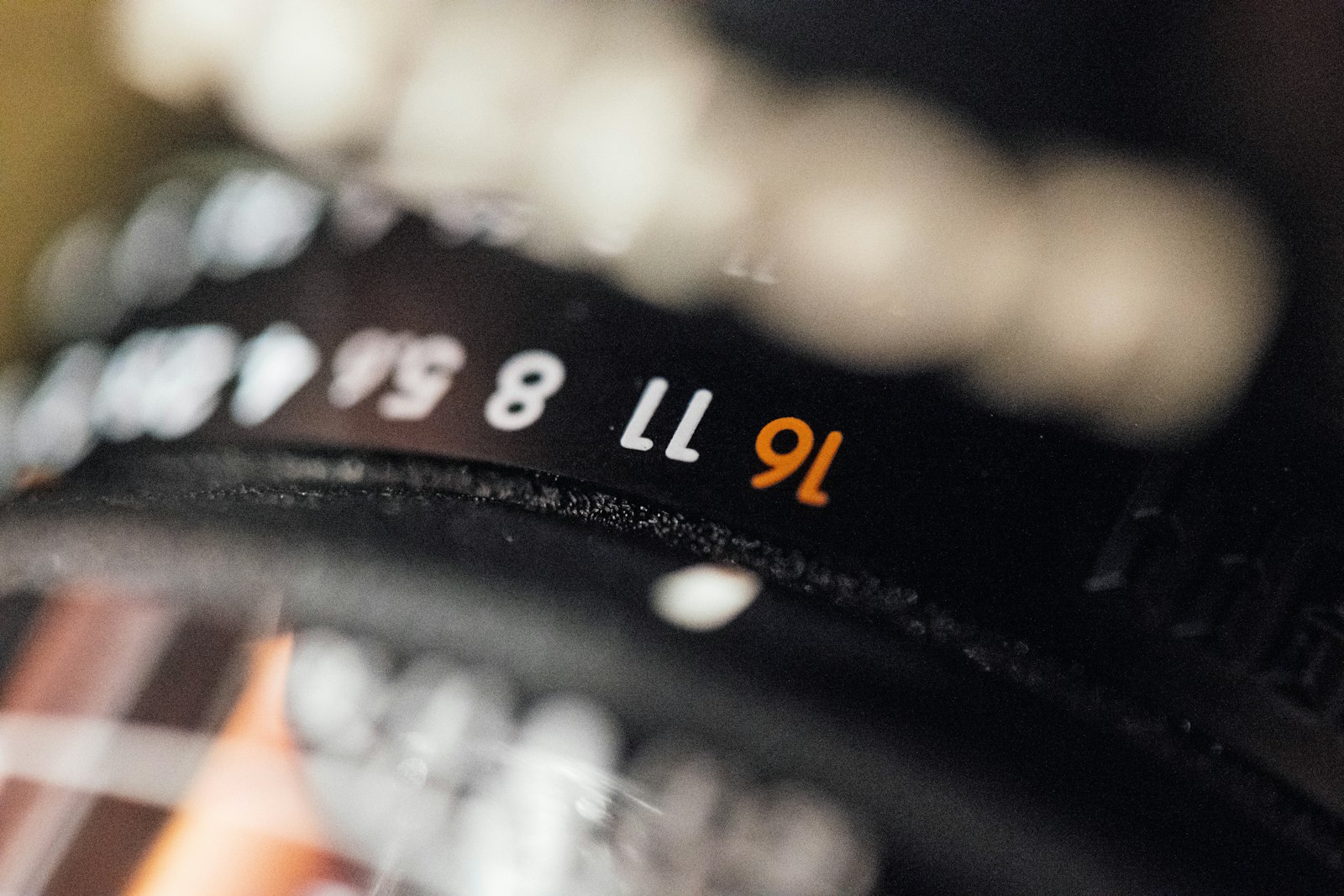
3. Photography.FYI — “The Smarter Way Photographers Buy and Sell Gear Today” (read it)
Bringing our own coverage into this because the most traded camera 2026 result is essentially a case study in what that piece argues: that the buy-sell cycle is a business skill, not a hobby habit.
The insight I’d underline is about exit value. A body that trades heavily is a body you can leave. Liquidity is a feature. I’ve eaten a brutal loss on a niche cinema camera nobody wanted second-hand, and I remember the exact moment I realized I’d bought a spec sheet instead of an asset. That was an expensive lesson in reading demand before reading reviews.
4. The broader mirrorless upgrade discourse (this week’s version of a permanent argument)
You’ve seen it. Every new release cycle produces the same take: the new body is meaningfully better, and here are the numbers proving it. Fine. The numbers are usually real.
Where the discourse fails is that it measures improvement in isolation, never against opportunity cost. Two extra stops of usable ISO is a real gain. So is a second lens, or a month of not panicking about rent. Nobody writing spec comparisons has to make that trade, which is why the most traded camera 2026 data reads as a rebuttal from people who do.
5. The autofocus-obsession corner of the internet
Subject-detection AF is genuinely transformative for some work. Sports. Fast kids. Erratic wildlife. I won’t pretend otherwise.
But the honest version of the most traded camera 2026 story is that a huge slice of paid photography is static or semi-static: portraits, product, architecture, detail shots, posed group work. For that shooting, a decade-old phase-detect system on a DSLR is not a limitation. It’s finished technology. Calling it obsolete is a marketing position, not a craft assessment.
The Cost-of-Working Angle Nobody Runs in the Headline
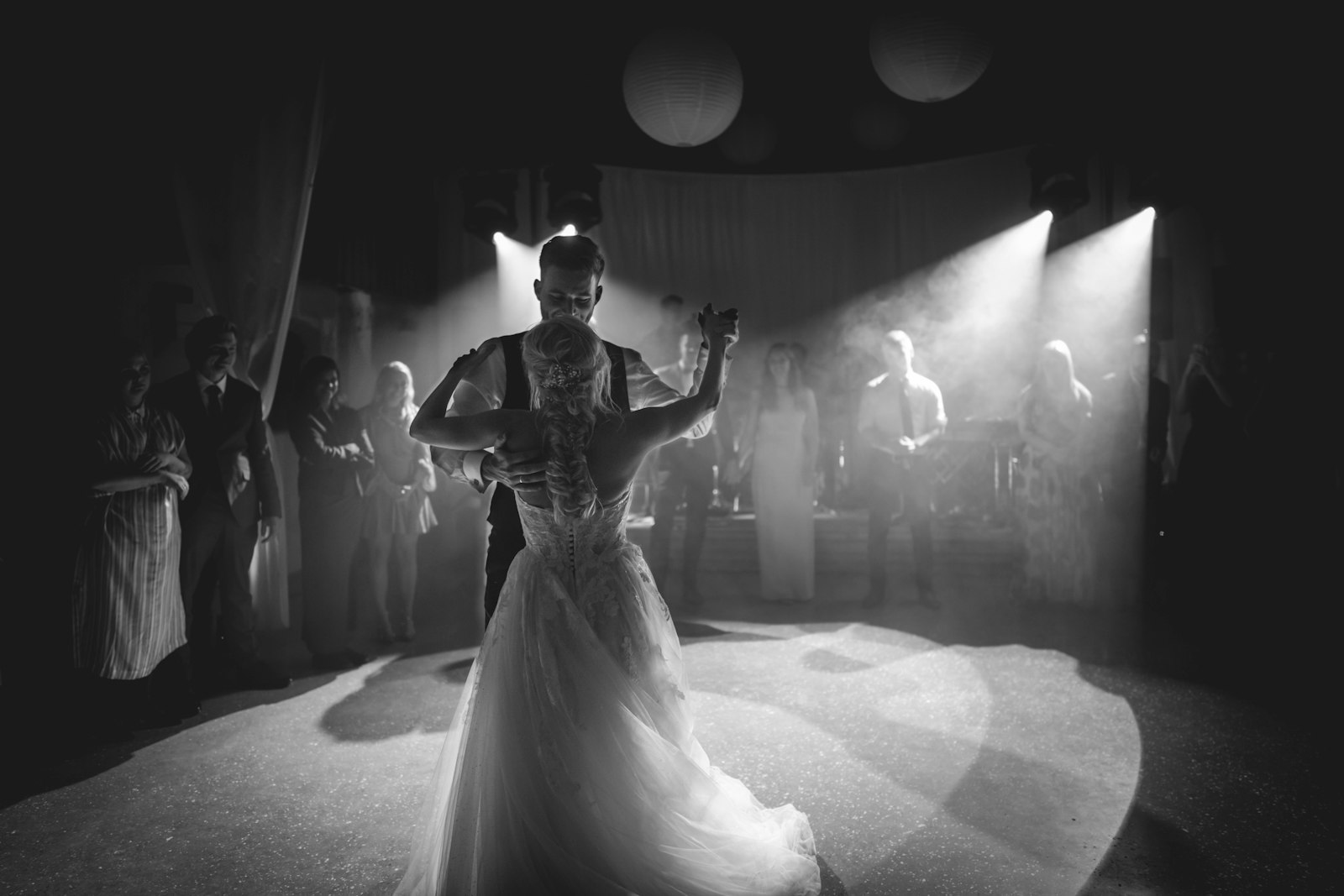
6. The freelance economics reading that pairs with all of the above
Here in late July, deep in wedding season, the relevant number for most of us isn’t dynamic range. It’s how many weekends until the slow months. Gear spend competes with insurance, taxes, backup drives, and the second body you actually need for redundancy.
That’s the most traded camera 2026 subtext. When margins compress, working shooters buy the cheapest thing that clears the client’s bar. And “clears the bar” was solved years ago for a lot of paid work, which is exactly why old bodies keep changing hands instead of dying.
7. The resale-value thread that always follows this kind of news
Worth reading skeptically. The framing tends to be “buy this because it holds value,” which quietly turns a tool into a speculative position.
My counter: value retention matters for exit flexibility, not for profit. You are not going to make money owning cameras. You make money using them, and the most traded camera 2026 result suggests plenty of shooters have internalized that better than the gear press has.
PFYI Take
Spec chasing is a tax you pay for not knowing what your work actually requires. The most traded camera 2026 headline is a receipt from everyone who stopped paying it.
If You Only Read One

Read the Digital Camera World report. It’s short, it’s specific, and it hands you a hard data point instead of a vibe. The most traded camera 2026 finding is the rare piece of gear news that tells you something about photographers rather than about products.
One more confession before I go: I upgraded a body last year purely because a peer did, and I could not tell you one image it improved. That’s the whole thesis. The most traded camera 2026 story exists because thousands of people made a smarter call than I did that month, and this week the receipts went public.
Photo: Kayode Balogun