Here’s the thread running through this week’s reading, and it’s one I keep bumping into on real jobs: constraint is a creative tool, not a punishment. The best argument for shooting cheap cameras isn’t nostalgia or thrift. It’s that limitation forces you to actually see. When the camera can’t save you, you start making decisions again, and that’s where the pictures live.
I’ve been chasing this idea for a while, mostly because I’ve watched too many photographers (myself included) treat a gear upgrade like a personality transplant. It never works. You buy the body that shoots a thousand frames a second and you still can’t decide where to stand. So this week I went looking for writing that takes the opposite bet: that shooting cheap cameras, or slow ones, or broken ones, teaches you more than the flagship ever will.

The Picks: What Shooting Cheap Cameras Actually Teaches
Five Things I Learned From Shooting With ‘Crappy’ Cameras (Fstoppers). This is the anchor read this week, and it’s the honest kind. The core move is reframing bad gear as a teacher instead of an obstacle.
What it gets right: the discipline part. When your gear can’t rescue a lazy exposure, you learn to read light before you lift the camera. That’s the whole game. I’ve shot events where the only working body I trusted was an ancient thing with a dying meter, and I made better frames that night than I did with the good camera, because I was paying attention. Shooting cheap cameras strips away the safety net, and the safety net is often what makes us complacent.
The takeaway for working photographers: your composition doesn’t come from the sensor. It comes from your feet, your patience, and your willingness to wait for the light to do something interesting. A cheap camera just makes that lesson unavoidable.
Where I’d push back a little: there’s a romantic streak in a lot of “crappy gear” writing that quietly ignores deliverables. Constraint is a gift on personal work. On a paid wedding, a camera that can’t lock focus in a dim reception isn’t a creative teacher, it’s a liability. Both things are true, and the honest version of this argument holds both.

Why Shooting Cheap Cameras Makes You Braver
The deeper reason I keep circling this idea: cheap gear lowers the stakes of failure, and lowered stakes make you experimental. When you’re not babying a five-figure kit, you shoot from the hip, you get low in the mud, you hand the camera to a stranger. You take the risk. I’ve ruined a lens I loved chasing a shot I’d never have attempted with rented glass, and I don’t regret it. The frame was worth it.
That’s the psychology nobody mentions in the spec-sheet reviews. Expensive gear can make you conservative. You protect the investment instead of chasing the picture. Shooting cheap cameras flips that: the tool is disposable, so the moment becomes precious.
And there’s a confession buried in all of this. For years I told clients I needed a specific upgrade before I could deliver the look they wanted. I was wrong. I could deliver the look. I just didn’t trust my own eye yet, and the gear was a place to hide. Shooting cheap cameras is partly about ripping away that hiding spot.
Knowing When Good Enough Is Actually Good Enough
The hardest skill in this whole conversation isn’t shooting cheap cameras. It’s judgment: knowing which jobs demand the reliable kit and which ones reward the constraint. Personal projects, street work, second-angle coverage, moody available-light stuff? Perfect. The primary shooter on a job where a missed frame means a refund? Bring the tool you trust.
This connects to how you think about your kit long-term. I’ve written before about reading a scene before you reach for flash, and it’s the same muscle: work the light you have first. And if you’re rethinking your whole setup, there’s a smarter way to buy and sell gear than panic-upgrading every cycle. Used bodies are all over the map on condition right now, from eBay to GearFocus, so it’s a buyer’s decision as much as a creative one.
Shooting cheap cameras taught me to stop asking “is this camera good enough” and start asking “am I good enough to make this work.” Usually the answer is yes. Usually the gear was never the problem.
PFYI Take
The camera that can’t do everything is the one that finally teaches you to do something. Shooting cheap cameras isn’t a downgrade. It’s a training regimen you forgot you needed.
If You Only Read One
Read the Fstoppers piece. It’s short, it’s honest, and it makes the case for shooting cheap cameras without the usual gear-shaming smugness. If it nudges even one photographer to stop waiting on an upgrade and go shoot, it did its job better than most reviews ever will.
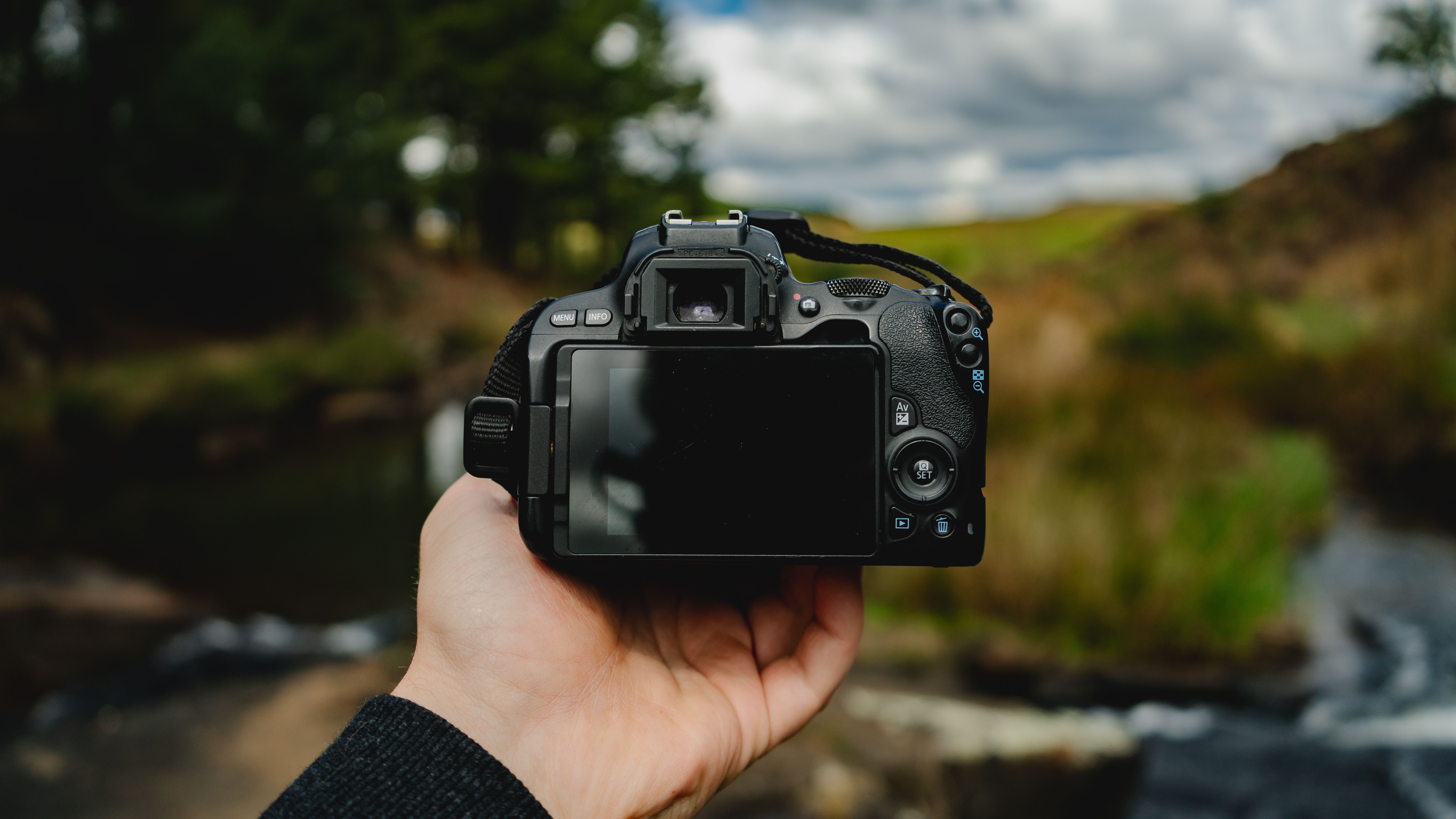
Photo: Ryan Lansdown