Used full frame DSLR cameras from the pro era, the Canon EOS 5D line and the Nikon D800 and D810, now sell for a fraction of launch price while still producing professional files. They remain the cheapest honest route to full-frame image quality, provided the shutter count, the sensor condition, and the lens ecosystem all check out.
Eleven at night in a church hall that smelled like coffee urns and floor wax. The band was packing up, the last dozen guests were doing that swaying thing people do when the DJ has already left, and my backup body was a DSLR old enough to have opinions. The mirror slap echoed. Actually echoed, off the plaster, loud enough that a groomsman turned around and looked at me.
That camera cost me less than the lens hood on some of the mirrorless bodies I was carrying that year. And when I pulled the cards the next morning, I could not tell you from the files which body shot which frame.
That is the whole argument for used full frame DSLR cameras in one paragraph. Not nostalgia. Not thrift as a personality. Just the fact that a sensor that was professional-grade in 2013 is still professional-grade now, and the market has quietly stopped charging professional money for it.
Why Used Full Frame DSLR Cameras Suddenly Look Like Bargains
Digital Camera World put the point plainly: full-frame DSLRs that once carried premium pricing, the Canon EOS 5D series and the Nikon D800 and D810 among them, now deliver professional results for a fraction of what they cost new.
The mechanism is not mysterious. The industry moved to mirrorless, marketing budgets followed, and an enormous supply of working pro bodies got traded in by shooters chasing eye-detect autofocus. Supply went up. Demand went sideways. Prices did what prices do.
What did not change is the part that makes an image. A full-frame sensor still gathers the same light. A 36-megapixel file still prints big. The optical viewfinder still shows you the actual world instead of a small television of it.
The Spec Picture Behind These Bodies
| Attribute | What It Means Buying Used |
|---|---|
| Sensor format | Full frame, the same size that mirrorless flagships use today |
| Model families in play | Canon EOS 5D series; Nikon D800 and D810 |
| Original positioning | Professional-grade, premium launch pricing |
| Current market position | A fraction of launch price on the used market |
| Output quality | Professional results, per Digital Camera World |
| Viewfinder | Optical, no lag, no battery drain |
Note what is absent from that table: exact prices. Values for used full frame DSLR cameras swing wildly by shutter count, cosmetic condition, and whether the seller included the original charger. Any number quoted as gospel is a number that will be wrong by next quarter.
What These Cameras Are Actually Built For
Here is where honest assessment matters more than enthusiasm. Used full frame DSLR cameras are not universal answers. They are extremely good at a specific set of jobs and mediocre at another set, and knowing which is which saves you a resale listing in six months.
They excel at: studio and controlled portrait work, landscape and architecture where you have time and a tripod, editorial and documentary shooting where file quality matters more than tracking speed, and backup duty behind a mirrorless primary.
They struggle with: erratic action where subject-detection autofocus genuinely earns its keep, video-heavy hybrid workloads, and any situation where silence is non-negotiable. That mirror makes noise. In a quiet ceremony, that noise is a problem you cannot firmware-update away.
I learned that one the embarrassing way, standing too close during vows with a body that announced every frame. The officiant gave me a look I still think about. Confession number one.
Strengths Worth Paying For in Used Full Frame DSLR Cameras
The optical viewfinder deserves more credit than the current discourse gives it. There is no lag, no blackout, no electronic refresh between you and the moment. For anyone who learned to shoot by watching a scene rather than watching a screen of a scene, that is not a compromise. It is the point.
Battery life is the second underrated strength. Bodies designed around an optical finder and no continuous sensor readout simply last longer on a charge. On a full wedding day, that difference is real, and it is one reason used full frame DSLR cameras still show up in working kits.
Then there is the grip and the button layout. These were built when manufacturers assumed a professional would hold the thing for ten hours. The ergonomics on used full frame DSLR cameras of this era are frequently better than on the smaller mirrorless bodies that replaced them.
And the lens situation. Decades of EF and F-mount glass exist in enormous quantity, and much of it has depreciated alongside the bodies. You are not just buying a cheap camera. You are buying entry into a mature, cheap optical ecosystem.
Limitations You Should Not Talk Yourself Out Of
Autofocus is the honest gap. Phase-detect systems from this generation lock accurately on static and predictable subjects. They do not track a toddler running diagonally through a backlit field the way a 2026 mirrorless body does. If that is your bread and butter, used full frame DSLR cameras are the wrong tool.
Live view autofocus on many of these bodies is slow enough to be functionally useless. If you compose on the rear screen for tripod work, expect to focus manually. Not a dealbreaker for landscape shooters. A dealbreaker for some video work.
Video capability is dated across the board. These were stills cameras with video attached, not hybrids. Buying used full frame DSLR cameras as a video solution in 2026 means accepting codec limits, recording caps, and no modern autofocus assistance.
And every one of these bodies has a history. A shutter has a finite life. A sensor that lived in a beach bag for eight years has stories. Unlike a new camera, the condition of used full frame DSLR cameras is a variable you must actively investigate rather than assume.
How Do You Check the Condition of Used Full Frame DSLR Cameras Before Buying?
Ask for the shutter count in writing. Every one of these bodies records actuations, and any seller who will not or cannot supply that number is telling you something. Compare it against the model’s rated life, then decide what remaining margin you are comfortable paying for.
Request a flat-field test frame. A photo of a bright, evenly lit white wall at a small aperture, ISO base, slightly defocused. Dust shows immediately. So do stuck pixels and sensor stains that no cleaning will fix.
Look at the rubber grips and the mount flange. Peeling rubber is cosmetic and cheap to live with. A worn, brassy lens mount means the body has been through thousands of lens changes, which is a fairer proxy for hard use than shutter count alone.
Check the memory card slots and the battery door. These are the mechanical parts that fail on heavily-used bodies, and they are the parts sellers photograph least. Ask for images of both on any of the used full frame DSLR cameras you are seriously considering.
Who Should Buy Used Full Frame DSLR Cameras in 2026
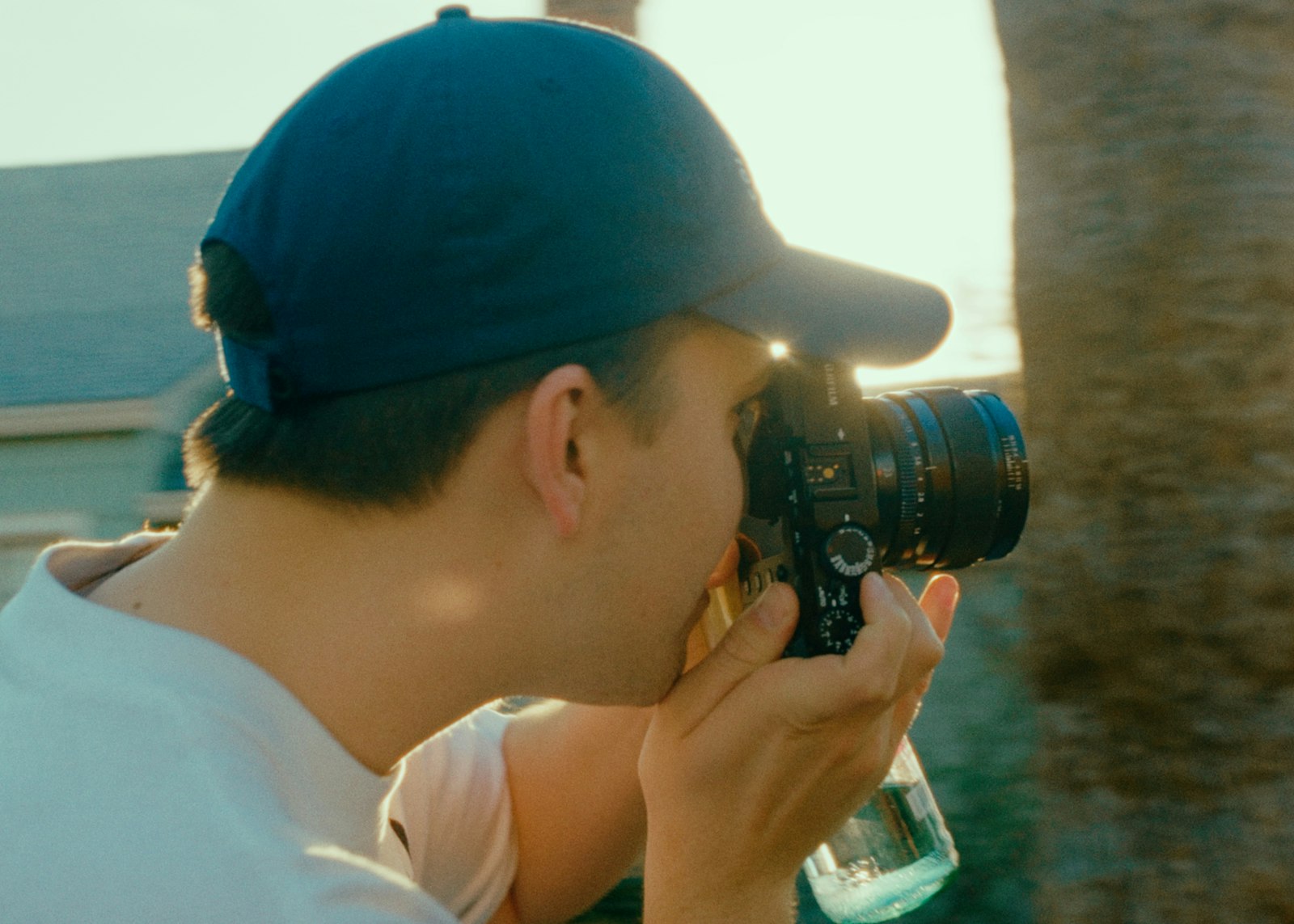
The photographer moving from crop sensor to full frame for the first time. This is the cleanest case. You get the format jump, the shallower depth of field, the cleaner high-ISO files, without the price of admission that stopped you last year.
The working pro who needs a second or third body. Redundancy matters more than novelty on a paid job. A card fails, a body takes a knock, and the cheap backup earns its whole purchase price in one afternoon.
The landscape, architecture, and studio shooter. Slow, deliberate, tripod-based work does not care about subject tracking. Here the high-resolution files from used full frame DSLR cameras compete directly with current bodies at a small fraction of the outlay.
The photographer who already owns EF or F-mount glass. Adapting old lenses to new mounts works, mostly, with caveats. Putting them on the body they were designed for works completely.
Who Should Skip Them
Sports and wildlife shooters whose income depends on hit rate. Event videographers. Anyone who needs silent shooting as a contractual requirement. Anyone who genuinely will not use a camera that lacks in-body stabilization. Be honest with yourself on that last one before, not after.
I have talked myself into gear I did not need using exactly the reasoning in the section above this one. Confession number two: the bargain that sits in a drawer was not a bargain. It was a hobby purchase wearing a business costume.
Where the Buying Actually Happens
The used market for these bodies is fragmented, and that fragmentation is where the value hides. Identical models list at wildly different prices depending on the platform, the stated condition, and how motivated the seller is. You will see the same Nikon D810 on eBay, on forum classifieds, and on GearFocus at meaningfully different asks.
Which means patience is the actual skill. Set alerts, watch a model for a few weeks, and learn what a fair number looks like before you spend one. There is more on that approach in our piece on why secondhand camera gear is now the smart buy for working photographers, and on the mechanics of the process in the smarter way photographers buy and sell gear today.
Late summer is not a bad moment for this, either. Wedding season is winding into its final stretch, and the shooters who bought new bodies in the spring start listing what those bodies replaced. Used full frame DSLR cameras tend to appear in volume right about now.
What to Take From This
- The image quality argument is settled: Canon EOS 5D series and Nikon D800 and D810 bodies produce professional results, per Digital Camera World, at a fraction of launch pricing.
- Autofocus is the real trade-off: not resolution, not dynamic range. Match the body to subjects that hold still or move predictably.
- Condition is the whole negotiation: shutter count in writing, a flat-field test frame, photos of the mount and battery door.
- The lens ecosystem is half the value: EF and F-mount glass has depreciated alongside the bodies.
- Prices vary enormously across platforms: watch a model for weeks before buying one.
- Best suited to: first-time full-frame buyers, pros needing backups, studio and landscape shooters.
- Consider skipping if: your income depends on tracking fast erratic motion, silent shooting, or modern video.
The Bottom Line
The industry spent a decade teaching photographers that the newest body is the necessary body. That was always partly marketing, and the current pricing on used full frame DSLR cameras is the receipt.
None of which means old is automatically better. It means the honest question is not what year a camera was announced. It is whether the thing in front of you needs subject-detection autofocus, or whether it needs a large sensor, good glass, and someone who knows where to stand.
For an enormous amount of professional work, it is the second one. Which is why used full frame DSLR cameras are the most underpriced tool in photography right now, and why the photographers quietly buying them are not the ones posting about gear.
FAQ
Are used full frame DSLR cameras still good enough for paid client work?
Yes for most stills work. Digital Camera World notes these bodies still deliver professional results. The limitation is autofocus on fast erratic subjects, not file quality, resolution, or print size.
What shutter count is too high on a used DSLR?
Compare the stated count against the model’s rated actuation life and judge the remaining margin. A high count on a well-maintained body beats a low count on one that lived in a damp bag.
Should I buy an older DSLR or a newer crop-sensor mirrorless camera?
Choose the DSLR for shallower depth of field, better high-ISO files, and cheap legacy glass. Choose crop mirrorless for autofocus tracking, video, silent shooting, and smaller size.
Can I use my old EF or F-mount lenses on these bodies?
That is the point. These cameras were designed for that glass natively, with no adapter, no compatibility caveats, and no autofocus penalty. Existing lens collections transfer directly.
Is now a good time to buy on the used market?
Late summer typically brings fresh listings as wedding-season shooters offload bodies they replaced in spring. Watch a specific model for several weeks before committing to a price.
Photo: Sóc Năng Động