

KEY TAKEAWAYS
- The Sony A7 V is a seriously powerful hybrid body, but a Sony A7 V upgrade is not an automatic “yes” if you already own an A7 IV or A7 III.
- Sony is clearly protecting its lineup: no open-gate, no internal RAW, and 4K 120p locked to APS-C. For some filmmakers, that makes a Sony A7 V upgrade feel like a paid beta, not a final answer.
- For still photographers and hybrid shooters who actually need faster readout, AI AF, and blackout-free bursts, a Sony A7 V upgrade can be a legit workflow upgrade—not just a spec bump flex.
- If you mostly shoot portraits, weddings, or YouTube content, a well-priced used A7 IV (or even a used Sony A7 IV with smart glass choices) may be a better camera deal than a full-price Sony A7 V upgrade.
- The real move might be strategic: sell high, buy used, or skip the Sony A7 V upgrade entirely and move that money into lenses, audio, or lighting that actually shows up in your work.
I was halfway through an edit when the group chat blew up.
Screenshots. All caps. “30FPS BLACKOUT FREE?!” “Partial stack, finally.” “R6 III is in trouble.” And then the question that always shows up about six messages in:
“So… are you doing the Sony A7 V upgrade or what?”
If you’ve been around cameras long enough, you know this feeling. Your A7 III or A7 IV has been quietly getting the job done—paid shoots, passion projects, maybe the occasional 2 a.m. “one more tweak” grading session. Then Sony drops the A7 V, and suddenly your very capable camera feels like last year’s phone.
On paper, the A7 V is wild: 33MP partially stacked sensor, 30fps bursts, AI-driven autofocus, 4K 120p in APS-C, improved dynamic range, way better heat management.
But here’s the controversial bit nobody wants to say out loud: a Sony A7 V upgrade might be the wrong move for a lot of photographers and indie filmmakers—at least right now. In some cases, sticking with (or buying) a used Sony A7 IV is the smarter, more grown-up play.
Let’s walk through it without the launch hype screaming in your ears.
The Hype vs Reality of the Sony A7 V Upgrade
On launch day, the Sony A7 V sounds like the new baseline for hybrid shooters. New partially stacked 33MP sensor. Faster readout. 30fps blackout-free bursts with the electronic shutter. AI-driven AF that doesn’t just see eyes—it understands bodies, torsos, and motion.
That’s all real. It’s not marketing vapor.
The controversial part is what didn’t change—and what that means for a Sony A7 V upgrade in real life:
- The body is basically the same chassis as the A7 IV, card config and all. You still get one CFexpress Type A / SD hybrid slot and one SD UHS-II slot. No dual CFexpress like some competitors.
- 4K tops out at 60p full-frame and 120p with an APS-C crop. No 6K or 7K recording, no open-gate, no internal RAW, and not even external RAW support at launch. Meanwhile, cameras like the Z6 III and S1 II are throwing 6K and internal RAW at you.
- IBIS is improved (Sony claims up to 7.5 stops), but handheld video still isn’t Panasonic-level gimbal magic. Dynamic Active mode crops heavily and can still look a bit floaty.
So, is a Sony A7 V upgrade “massive”? For some workflows, absolutely. For others, it’s more like Sony finally catching up in areas they’ve been dragging their feet—while still holding back features to protect more expensive bodies.
That’s the first thing you have to be honest about before you throw your A7 IV on a used listing and hit preorder.
Photographers: Do You Actually Need a Sony A7 V Upgrade?
Let’s talk stills first, because this is where the Sony A7 V upgrade makes the most sense on paper.
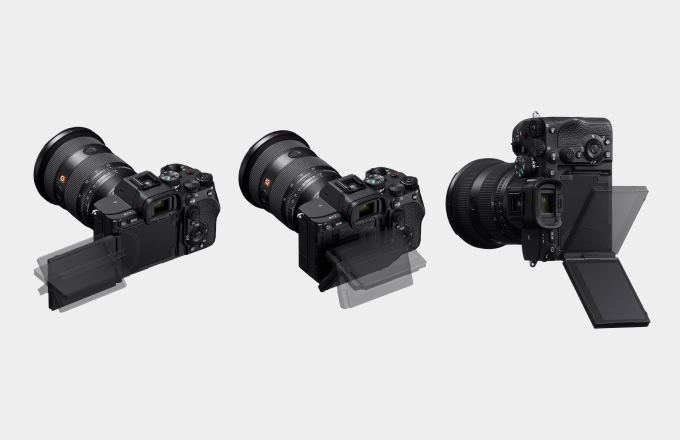
The partially stacked sensor means faster readout and less rolling shutter, plus that 30fps blackout-free burst if you’re on the right glass. AF gets a big lift from the integrated AI unit—better subject detection, smarter tracking, improved white balance and exposure in tricky light.
But do you need that?
You should seriously consider a Sony A7 V upgrade if:
- You shoot high-speed action, wildlife, sports, or photojournalism where missing a micro-moment is the difference between “meh” and portfolio.
- You’re already feeling the limits of A7 IV rolling shutter on fast pans or LED-heavy environments.
- You’ve been eyeing an A1 or A9 III but can’t justify the price; the A7 V gives you a taste of that speed at a saner budget.
You probably don’t need a Sony A7 V upgrade if:
- You’re a wedding, portrait, or studio photographer who already nails focus on the A7 IV 99% of the time.
- Your main bottleneck is light, lenses, or your editing pipeline—not autofocus or burst speed.
- You rarely hammer the shutter at 10fps, let alone 30.
Honestly? For a huge chunk of still photographers, the spiciest take is this: a lightly used A7 IV plus a killer prime or strobe is a more meaningful upgrade to your images than a Sony A7 V upgrade with the same tired glass. A used Sony A7 IV at a post-launch discount is going to be one of the best camera deals in the ecosystem for a while.
If you’re on Photography.FYI, you probably care more about the pictures than the press release buzzwords. Answer this: are your clients, your audience, or your own eyes complaining about your A7 IV files? Or is it just YouTube comments?
Filmmakers: Does the Sony A7 V Upgrade Actually Fix Your Pain?
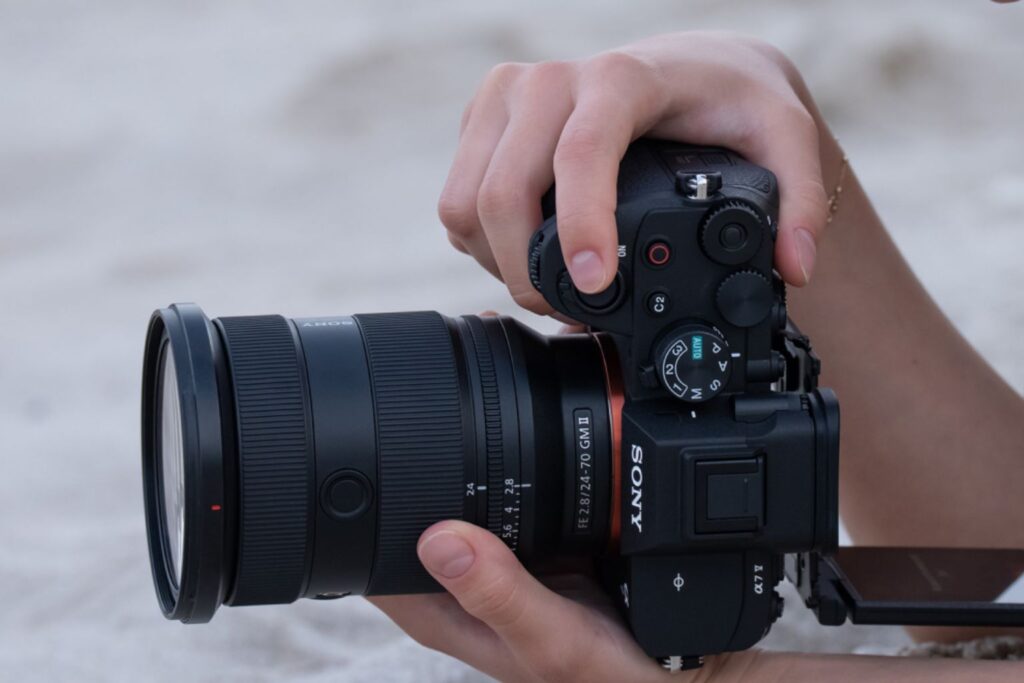
This is where things get more complicated—and more controversial.
On the filmmaking side, the Sony A7 V upgrade absolutely fixes some of the A7 IV’s biggest pain points:
- Full-frame 4K 60p without the heavy crop that annoyed everyone on the A7 IV.
- 4K 120p in APS-C, with a readout speed around 10ms—closer to an A7S III / FX3 vibe than the mushy A7 IV sensor.
- Much better heat management; early testing is seeing long 4K sessions without overheating in normal indoor conditions.
- Video AF that just… works. Less menu spelunking, more “tap and trust.”
If your current A7 IV footage is constantly fighting rolling shutter, overheating, or unreliable tracking, a Sony A7 V upgrade isn’t just shiny—it’s practical.
But look at what Sony didn’t give you:
- No open-gate 3:2 recording, even though the sensor and processing could handle it.
- No 6K or 7K files, even though they’re already oversampling from higher resolutions internally.
- No internal RAW, and not even external RAW support, while competitors at similar price points are throwing ProRes RAW and BRAW at filmmakers.
So the controversial take: for serious filmmakers, a Sony A7 V upgrade is a fantastic 4K workhorse… that’s also clearly capped so it doesn’t cannibalize FX-line cinema bodies.
If you’re a one-person band shooting client work where reliability, autofocus, and 4K delivery are the whole game, the Sony A7 V upgrade is easy to justify. If you’re leaning into cinema workflows, heavy grading, or future-proofing, you might be better off:
- Holding your A7 IV + investing in glass, sound, or lights, or
- Treating a used Sony A7 IV as a B-cam and putting your upgrade budget into a more video-centric body elsewhere.
The Awkward Truth: Sony Is Optimizing the Lineup, Not Your Wallet
Let’s not kid ourselves: Sony is very good at giving creators just enough.
The A7 V’s partially stacked sensor, AI AF, 30fps bursts, and improved IBIS are all real improvements. But the missing pieces—no open gate, no internal or external RAW, 4K 120p limited to APS-C—are not technical accidents. They’re product segmentation.

If you’re still holding an A7 IV, this is the window to sell before the market floods.
From a business standpoint, it’s smart. From a creator standpoint, it means the Sony A7 V upgrade is not the “endgame” camera some people are already calling it. It’s the new middle lane.
That’s why a lot of us are side-eyeing this launch:
- Sony just suspended A7 IV firmware 6.0 because of widespread malfunctions and reboots. That doesn’t inspire confidence that every “upgrade” is automatically an improvement.
- AI is doing heavy lifting now: AF, exposure, white balance, even behind-the-scenes RAW processing in their desktop tools. That’s powerful… but also a little opaque. You’re putting more trust in Sony’s black box than ever.
So when you think about a Sony A7 V upgrade, don’t just ask “Is this better?” Ask:
- What did they hold back on purpose?
- What’s going to show up in the next body that makes this one feel artificially limited?
If that question makes you uncomfortable, you’re not crazy. You’re just seeing the game.
If You Own an A7 III or A7 IV, Here’s a Simple Upgrade Playbook
Alright, let’s get practical. You’re here on Photography.FYI because you want a clear path, not just specs.
Use this quick framework around the Sony A7 V upgrade:
If you own an A7 III
You’re the easiest “yes… maybe” for a Sony A7 V upgrade.
- The jump in AF, EVF, rear screen, video features, dynamic range, and ergonomics from A7 III to A7 V is huge.
- You gain way better subject detection, much more usable 4K, and legit 4K 60/120p options.
- A used Sony A7 IV is also on the table now as a budget-friendlier step that still feels like a different generation compared to your A7 III.
If you’re mostly photo-first and budget-conscious, a used A7 IV might be smarter than jumping all the way to a brand-new Sony A7 V upgrade on day one. If you’re heavy hybrid or video-leaning, the A7 V becomes more tempting.
If you own an A7 IV
This is where a Sony A7 V upgrade is trickier.
Ask yourself:
- Are rolling shutter, AF quirks, or overheating actively costing you money or shots?
- Do you truly need 30fps bursts and ultra-fast readout, or do they just sound cool?
- Are you willing to sell your A7 IV while resale is still decent and treat the Sony A7 V upgrade as a 3–5 year tool, not a toy?
If the answer isn’t a clear yes, one of the savviest moves in the next few months might be:
- Hold your A7 IV (or grab a used Sony A7 IV once prices slide).
- Put your “Sony A7 V upgrade” budget into:
- A killer prime or cine zoom.
- A proper audio kit.
- Lights that give your footage the “wow” you’ve been trying to grade in.
That’s not as sexy as unboxing a new body—yet it’s often the move working shooters quietly make while social media argues about dynamic range charts.
And if you do decide to sell, pairing this article with a more gear-focused guide on where and how to offload your used Sony bodies (e.g., through a trusted marketplace like GearFocus) is the logical next step. That’s where checklists, pricing strategies, and “how to not get scammed” live.
The Sony A7 V is not a bad camera. Far from it. It’s arguably the most balanced Sony hybrid yet, and in some ways it finally gives E-mount shooters the Canon R6 III–style “do-everything” body they’ve been asking for.
But that doesn’t mean a Sony A7 V upgrade is automatically the next right step for you.
If your A7 III or A7 IV is already doing what you need—and your bottlenecks live in lighting, lenses, or story—then chasing this body might actually slow your growth, not accelerate it. On the other hand, if you’re constantly fighting your current camera on action, AF, rolling shutter, or 4K limitations, the Sony A7 V upgrade might be the rare case where a spec sheet really does translate to a better workday.
Either way, I’d love to hear your take. Are you upgrading, buying a used Sony A7 IV, or sitting this one out and investing elsewhere? Drop your thoughts, war stories, or camera-deal wins in the comments—and if you want the “how to sell it” angle, pair this with our more marketplace-focused sister article.
FAQ
Q: Is the Sony A7 V upgrade worth it if I mostly shoot weddings and portraits?
A: If your A7 IV already nails focus and you’re not hitting its video or burst limits, a Sony A7 V upgrade is probably more want than need. The files will look very similar, and your clients won’t suddenly start paying more because your camera got a new badge. In that case, a used Sony A7 IV plus better glass or lighting is usually a better long-term move.
Q: I’m an indie filmmaker delivering 4K. Should I prioritize a Sony A7 V upgrade over cinema glass?
A: Not automatically. The Sony A7 V upgrade gives you cleaner 4K, better AF, and far better rolling-shutter performance than the A7 IV, which is huge for gimbal work, doc, or run-and-gun. But if your current camera is “good enough” and your footage is being held back by contrasty light, noisy audio, or cheap lenses, cinema-oriented glass and proper sound often move the needle more than a new body.
Q: Will a Sony A7 V upgrade be more “future-proof” than buying a used Sony A7 IV?
A: In terms of AF, processing power, and video flexibility, yes—the A7 V sits closer to Sony’s flagship logic than the A7 IV does. But Sony also clearly limited it (no open gate, no internal or external RAW, 4K 120p APS-C only) so they can still sell you more expensive bodies later. “Future-proof” is mostly marketing; the better question is whether it will pay for itself in your next 18–24 months of real projects.