Sekonic announced the L-878D light meter at Inter BEE 2026 as the successor to the long-running L-858D, with availability starting December 15th. It’s the new flagship in the SpeedMaster line. Whether it justifies replacing a working L-858D depends less on the spec sheet than on how often your meter actually leaves the bag.
Sekonic has a new flagship. The Sekonic L-878D light meter got its first public look at Inter BEE 2026, courtesy of Newsshooter, and it ships from December 15th as the direct successor to the L-858D SpeedMaster.
That matters more than a typical gear announcement, because handheld meters don’t get replaced often. The L-858D has been the default serious handheld for years. A new one at the top of the line resets what “current” means for anyone who still meters before they shoot.
What Sekonic Actually Announced
Here’s where I have to be straight with you, because this site doesn’t pretend to know things it doesn’t. What’s confirmed right now is the announcement itself: the Sekonic L-878D light meter exists, it was shown at Inter BEE 2026, it carries the flagship position previously held by the L-858D, and it’s available from December 15th.
Full specifications and pricing beyond that aren’t something I’m going to invent for you. Plenty of sites will fill that gap with confident guesses by Thursday. I’d rather you got the shape of the news and a clear head about what to do with it.
If you want the visual walkthrough, the Newsshooter first look linked above is the primary source and worth the few minutes.
Should You Upgrade From the L-858D?
Probably not. And I say that as someone who gets genuinely excited about a new meter, which is a deeply unglamorous thing to admit in public.
The L-858D didn’t become the standard because it was clever. It became the standard because it’s boring in the best way: it reads flash, it reads ambient, it does cine framerates and shutter angles, and it doesn’t die on you halfway through a shoot. A Sekonic L-878D light meter has to beat that reliability record from zero, and reliability records take years to build.
The upgrade case gets stronger if your 858 is beaten up, if your radio trigger module no longer matches the strobes you actually own, or if you’re buying your first serious meter anyway. In that last case, buying the current flagship instead of the outgoing one is just sensible.
What a New Sekonic L-878D Light Meter Does to the Used Market
This is the part that affects more photographers than the launch itself.
A flagship replacement pushes the outgoing model down the price ladder. L-858D units will start appearing secondhand at prices that look very attractive to photographers who’ve been metering by chimp-and-adjust for three years. Used meter prices swing hard on condition and on whether the radio module is included, and you’ll see the same body listed at wildly different money across eBay, the usual forums, and GearFocus.
That’s the quiet opportunity here. Not the Sekonic L-878D light meter at launch price in December, but a clean L-858D in February when the early adopters have moved on.
Why Metering Still Matters in 2026
I know the argument. The histogram is right there. False colour is right there. Why carry a separate device?
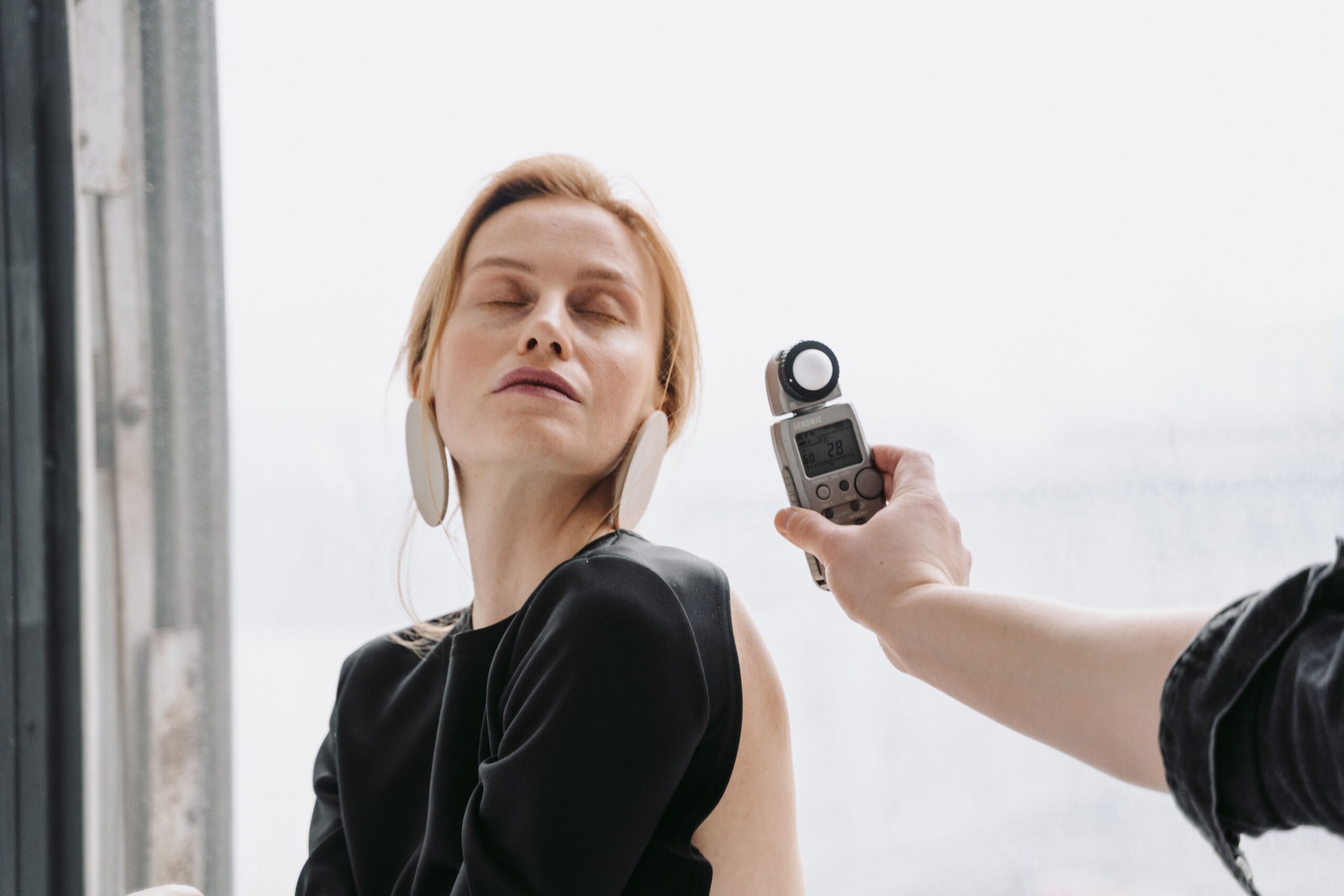
Because the histogram tells you what the sensor recorded, and a meter tells you what the light is doing. Those aren’t the same question. When you’re balancing four strobes against a window and you need to know the ratio between key and fill before you’ve taken a single frame, the meter gets you there in thirty seconds instead of fifteen test shots.
I learned that the slow way. I once spent most of a corporate headshot morning chasing a fill level by eye, adjusting, shooting, squinting, adjusting again, while the subject’s patience quietly evaporated. A meter would have ended it in one reading. I’d left mine in the car.
The second confession: for about a year I genuinely believed metering was a film-era habit I’d aged out of. It wasn’t. It was a speed habit I’d never properly built.
Does the Sekonic L-878D Light Meter Change Any of That?
No, and that’s not a criticism. The job hasn’t changed. Incident metering works because physics hasn’t filed an update.
What a new flagship does is keep the category alive, keep radio modules compatible with current strobe systems, and keep a meter on the shelf for the photographer who walks into a shop in 2027 looking for one. A dead product line is how skills quietly disappear.
So treat the Sekonic L-878D light meter announcement as good news for the craft rather than a purchase order. The meter you already own still reads the same light it read last week.
FAQ
When is the Sekonic L-878D light meter available?
Sekonic has given December 15th as the availability date, following the product’s first public showing at Inter BEE 2026 in Japan. Regional release timing beyond that announcement hasn’t been detailed.
Does the Sekonic L-878D light meter replace the L-858D?
Yes. Sekonic positions it as the successor and new flagship in the line. That doesn’t mean existing L-858D units stop working or lose support, only that they’re no longer the current model.
Is a handheld meter still worth buying in 2026?
For multi-light studio and cine work, yes. A meter reads the light itself rather than the recorded file, which makes setting precise lighting ratios far faster than iterating through test frames on a camera screen.
Photo: Tima Miroshnichenko