
A two-decade full-frame pro publicly switching to Micro Four Thirds isn’t a betrayal of “real” photography. It’s a working creator doing the math. The move from full frame to Micro Four Thirds pays off in weight, reach, and back pain, and it costs you in low light and depth of field. Whether that trade fits your paid work is the only question that matters.
Fstoppers just ran a creator story about a photographer with twenty years behind full-frame bodies explaining why they moved to Micro Four Thirds, citing portability and performance as the reasons. It’s the kind of confession that lands hard in a working shooter’s inbox, because most of us have quietly wondered the same thing while lugging a loaded bag up three flights of stairs. The switch from full frame to Micro Four Thirds isn’t new. What’s worth talking about is when it actually makes business sense, and when it’s just gear fantasy dressed up as strategy.
You can read the original piece on Fstoppers here.
What Actually Changes When You Move From Full Frame to Micro Four Thirds?
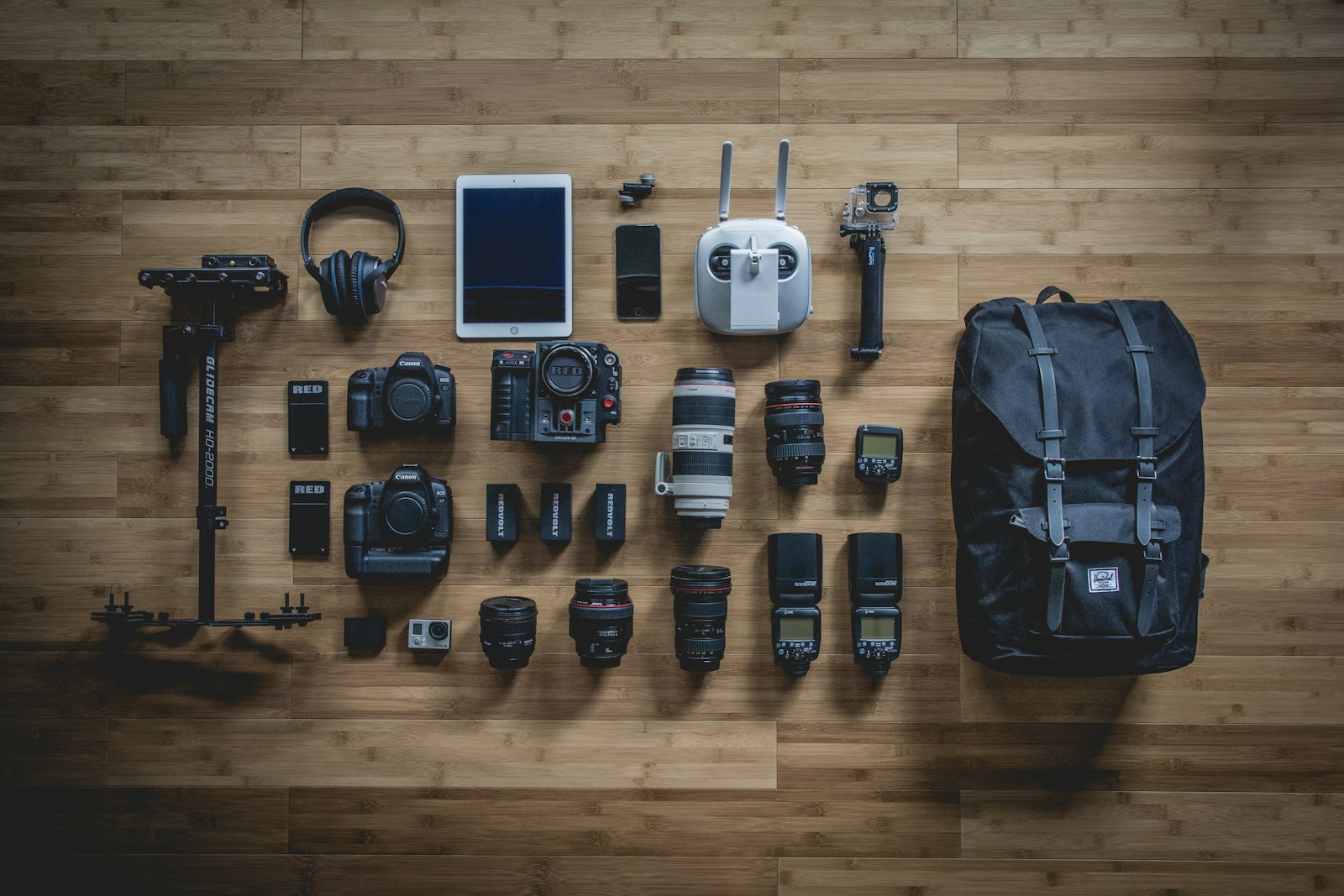
The sensor is roughly a quarter of the area. That single fact drives everything else. Smaller sensor, smaller lenses, smaller bodies, and a two-times crop factor that turns a 300mm lens into a 600mm equivalent field of view without adding a pound of glass.
For a wildlife or event shooter chasing reach, that’s not a compromise. That’s the whole point. I’ve watched sports shooters wince through a full day handholding a big telephoto, and the ones who’ve gone from full frame to Micro Four Thirds mostly stopped complaining about their shoulders. The reach comes cheap and light. That matters when your body has to survive a wedding season.
What you give up is real and non-negotiable. Full frame gathers more light per pixel, so it holds cleaner files at high ISO and delivers that shallow, creamy separation clients love in portraits. Move from full frame to Micro Four Thirds and you’re fighting for both. You can still get subject separation, but you’re working faster glass harder, and your usable ISO ceiling drops. Let’s not pretend otherwise.
When the Full Frame to Micro Four Thirds Trade Pays Off
The switch earns its keep when your paid work rewards portability and reach over shallow depth of field and clean shadows. Travel and documentary work, where you’re carrying everything all day. Wildlife and birding, where the crop factor is a gift. Video-forward gigs, where deep depth of field and in-body stabilization actually help you.
I learned the weight lesson the embarrassing way. I once over-packed for a full day of destination coverage, hauled two full-frame bodies and four lenses across a venue, and by the reception I was shooting tired and sloppy because my arms were done. The gear didn’t fail. My stamina did. A lighter kit would have kept me sharp into the last dance.
Here’s the honest version of the math. If your income depends on f/1.2 environmental portraits shot in a dim barn at 9pm, going from full frame to Micro Four Thirds fights you every frame. If your income depends on being mobile, fast, and still standing at hour ten, the smaller system is a legitimate business decision, not a downgrade.
The Low-Light and Depth-of-Field Reality Check

This is where people get burned. A full frame to Micro Four Thirds switch does not magically match your old low-light files. You lean harder on fast primes, on good light management, and on nailing exposure in-camera because you have less latitude to lift shadows later. If you’ve built your style around ambient-only low light, test brutally before you commit a paying job to it.
Depth of field behaves differently too. To match the look of an 85mm f/1.4 on full frame, you’re chasing equivalent apertures the smaller format can’t quite reach. That doesn’t kill portraiture on the format. It just changes how you build the shot. Slowing down and shooting deliberately helps, which is one reason deliberate manual focus habits pay off when you’re adapting to any new system.
How to Decide If the Switch Fits Your Paid Work
Don’t switch on vibes. Audit your last twenty paid jobs. Count how many actually required full-frame low-light performance or that ultra-shallow look, versus how many just needed you mobile, fast, and reliable. The answer is your business case, not a forum argument.
Rent or borrow before you sell anything. Shoot a real job on the smaller system as a backup body first. Prices for used bodies swing wildly by condition, and you’ll see Micro Four Thirds gear listed everywhere from eBay to GearFocus at very different money, so there’s no rush to buy blind.
FAQ
Does full frame to Micro Four Thirds mean worse image quality?
Not universally. Full frame keeps a real edge in high-ISO noise and shallow depth of field. In good light, the smaller format produces professional, client-ready files that hold up fine for most commercial and editorial use.
Who benefits most from switching?
Travel, documentary, wildlife, and video-forward shooters benefit most. The crop factor extends reach cheaply, and the lighter kit keeps you shooting sharp through long days when a heavier full-frame system would wear you down.
What’s the biggest thing I’ll miss?
Clean high-ISO files and that ultra-shallow f/1.2 separation. If your paying work leans on dim ambient light or dramatic background blur, budget for fast primes and test hard before trusting a job to the smaller system.
Photo: Slo Poyson